Description
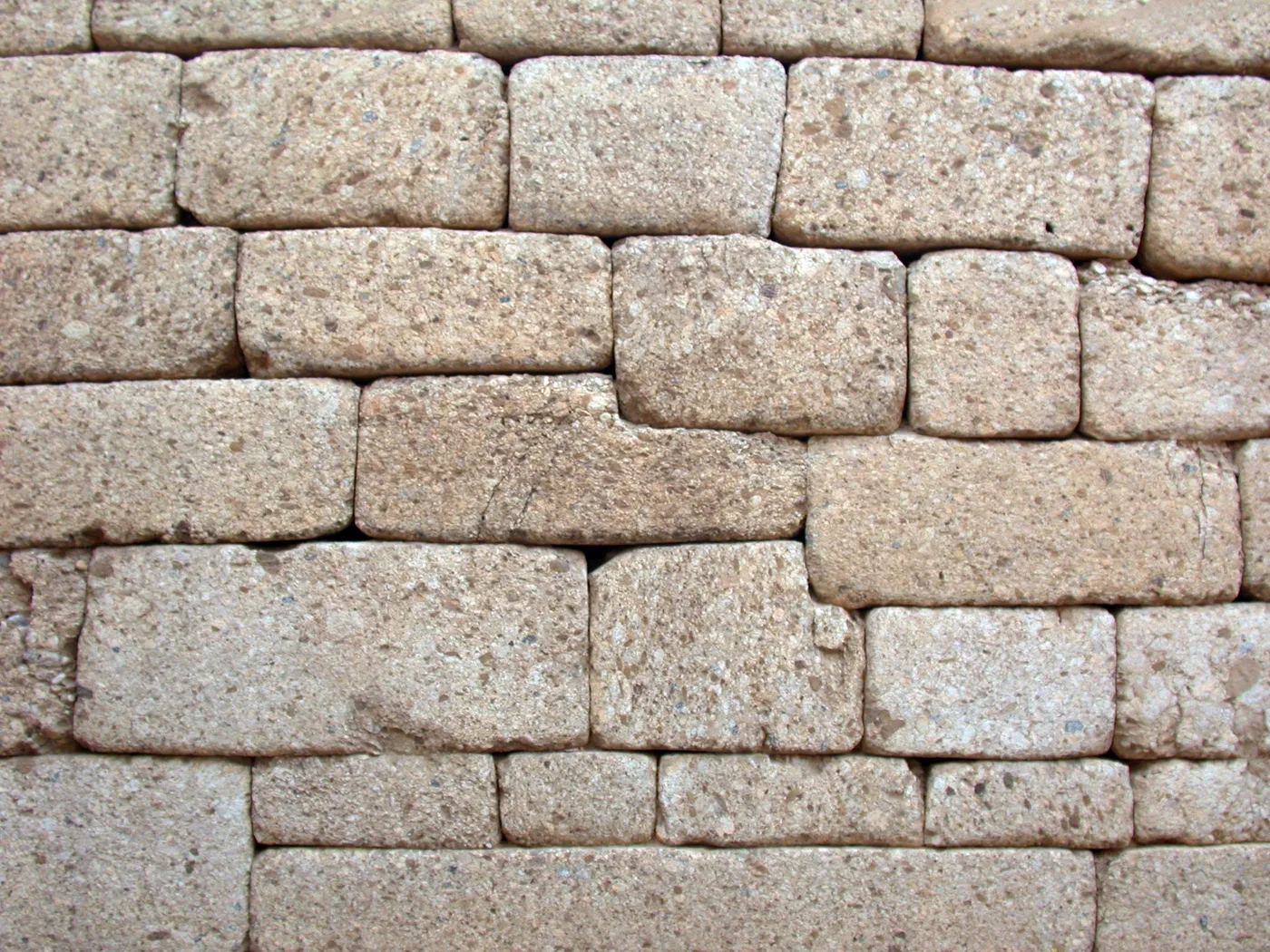
A wall is the verticle surface that forms one side of a building or room. It supports the ceiling of a room or the roof of a building. We distinguish here between this kind of wall in a building and a city wall (see City wall, rampart, battlement) or a boundary wall (see Boundary wall, fence).
Translation
The Hebrew word qir can refer to both the outer wall and the inner wall of a structure. Where a language has distinct words for these different walls, the translator will need to pay close attention to the context. For example, 1KI 5:13 mentions “the hyssop that grows out of the wall” (RSV). This “wall” is more likely an external wall rather than one inside a house.
In 1SA 25:22; 1SA 25:34; 1KI 14:10; 1KI 16:11; 1KI 21:21; and2KI 9:8 there is a Hebrew phrase that is literally “one who urinates against a wall.” This phrase refers to men, so most translations say “man/men” or “male[s].”
In 2SA 5:11 and 1CH 14:1RSV says that King Hiram of Tyre sent Solomon “masons,” which is literally “wall-stone workers/cutters” in Hebrew. These were men who shaped stones so they fit together neatly in a wall. GNT says “stone masons,” and CEV has “stone workers.”