Discussion
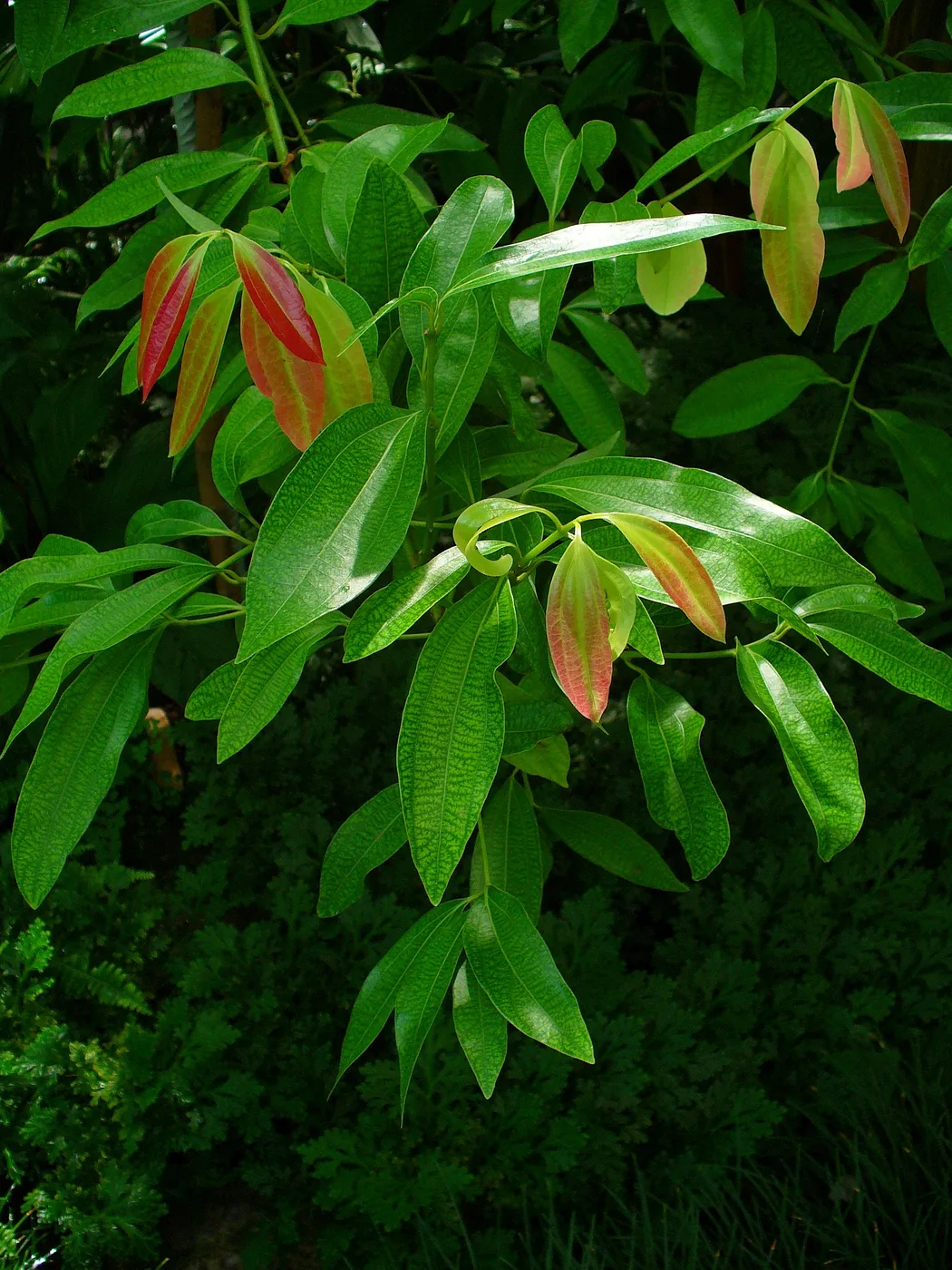
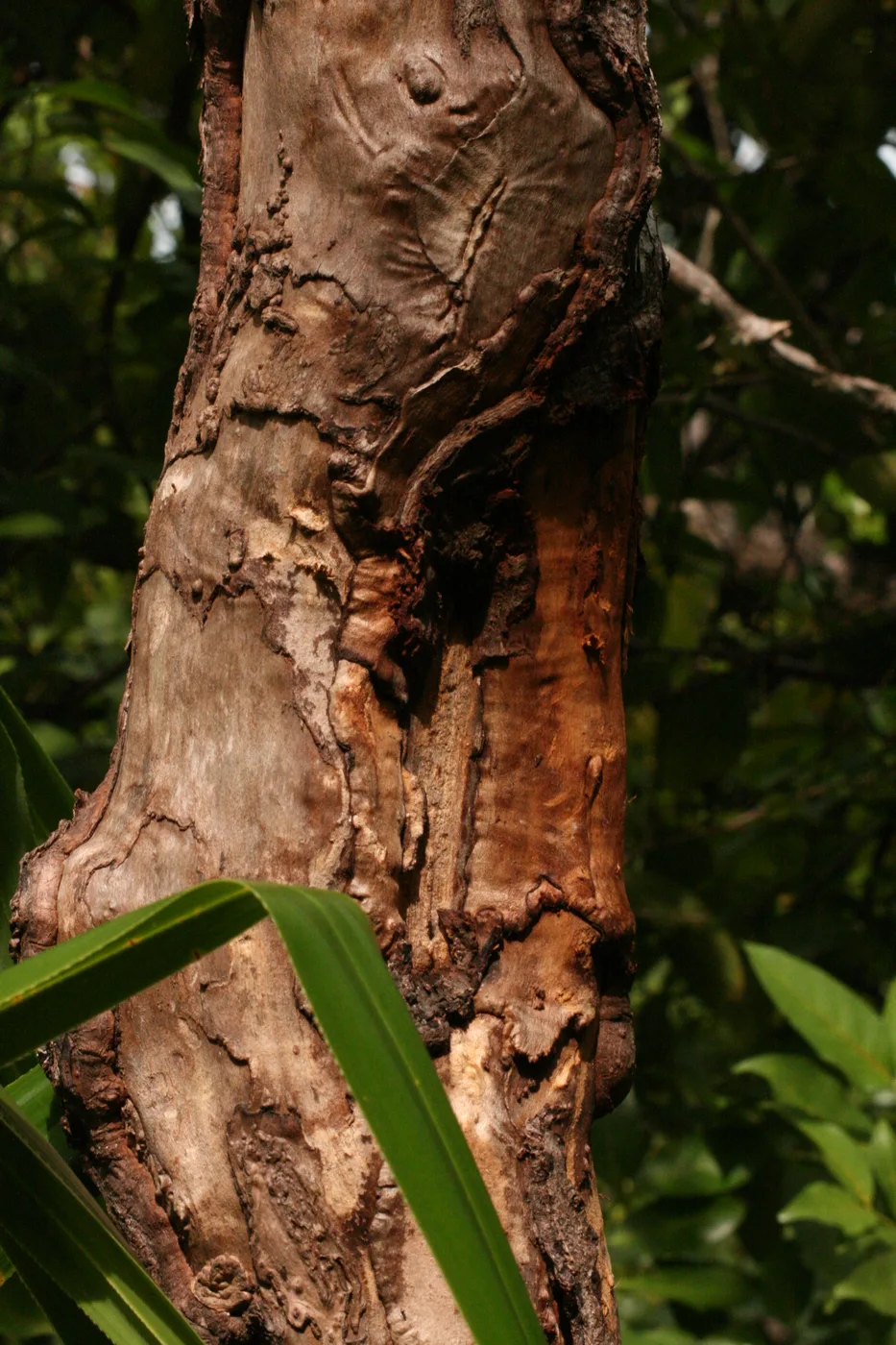
True Cinnamon Cinnamomum verum (or Cinnamomum zeylanicum) is a tree found mostly in Sri Lanka, India, and Burma. The Hebrew word qinnamon may ultimately derive from an early form of the Malaysian/Indonesian expression kayumanis, meaning “sweet wood.” As in the case of cassia, there is debate about whether the cinnamon mentioned in the Old Testament could have been imported from the Far East or whether there was perhaps a spice from Arabia or Africa that was named qinnamon, because this name was known at the time of writing. Some scholars believe that there was trade between India and Egypt as early as the second millennium B.C. In fact, the renowned Egyptian queen Hatshepsut is thought to have brought myrrh or frankincense trees from “Punt,” which could have been Somalia or even India, in 1490 B.C. However, she apparently did not bring cinnamon trees, nor are cinnamon and cassia among the spices found in the tombs of Egypt. So the true identity of the biblical cinnamon is still in question.
Description
Special significance
Translation
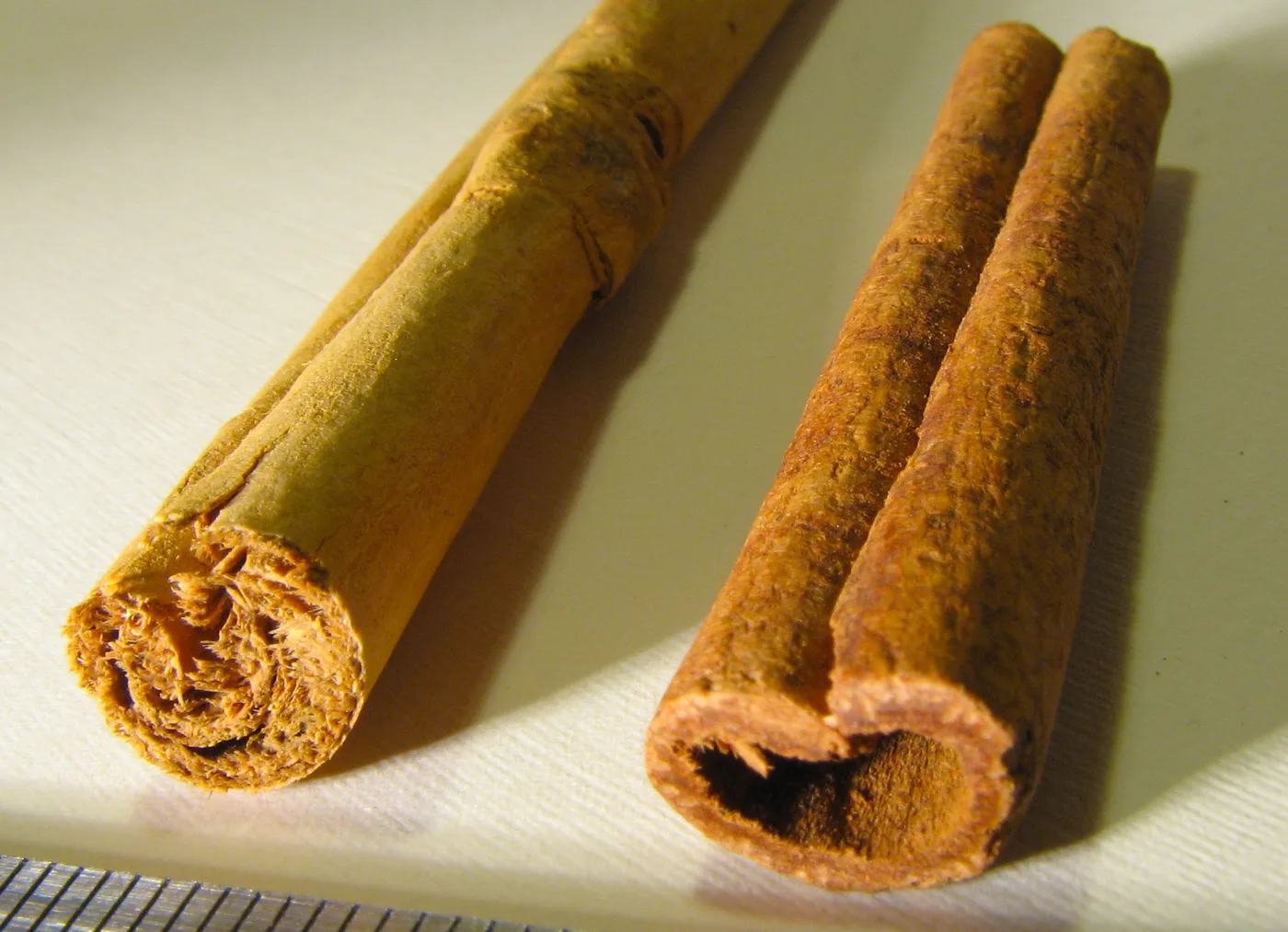
Translators in Asia will be able to use their own word for cinnamon (for example, Mandarin rou gui, xi lan rou gui; Korean kye / kyepi, sillon-gyepi; Malay kayu manis; Nepali dalchini; Tamil lavanga pattai; Thai obchoey; Vietnamese cay que / nhuc que, que ranh). They will even be able to distinguish between cassia and cinnamon. In other areas it is best to transliterate from Hebrew qinnamon or a major language (for example, English sinamon; French kanel; Spanish/Portuguese kanela; Arabic kirfa, darini, salika). Since the bark was ground into powder, the words “bark” or “powder” may be useful as classifiers. In EXO 30:23; EXO 30:24 translators will need two words for the closely related cassia and cinnamon.