Discussion
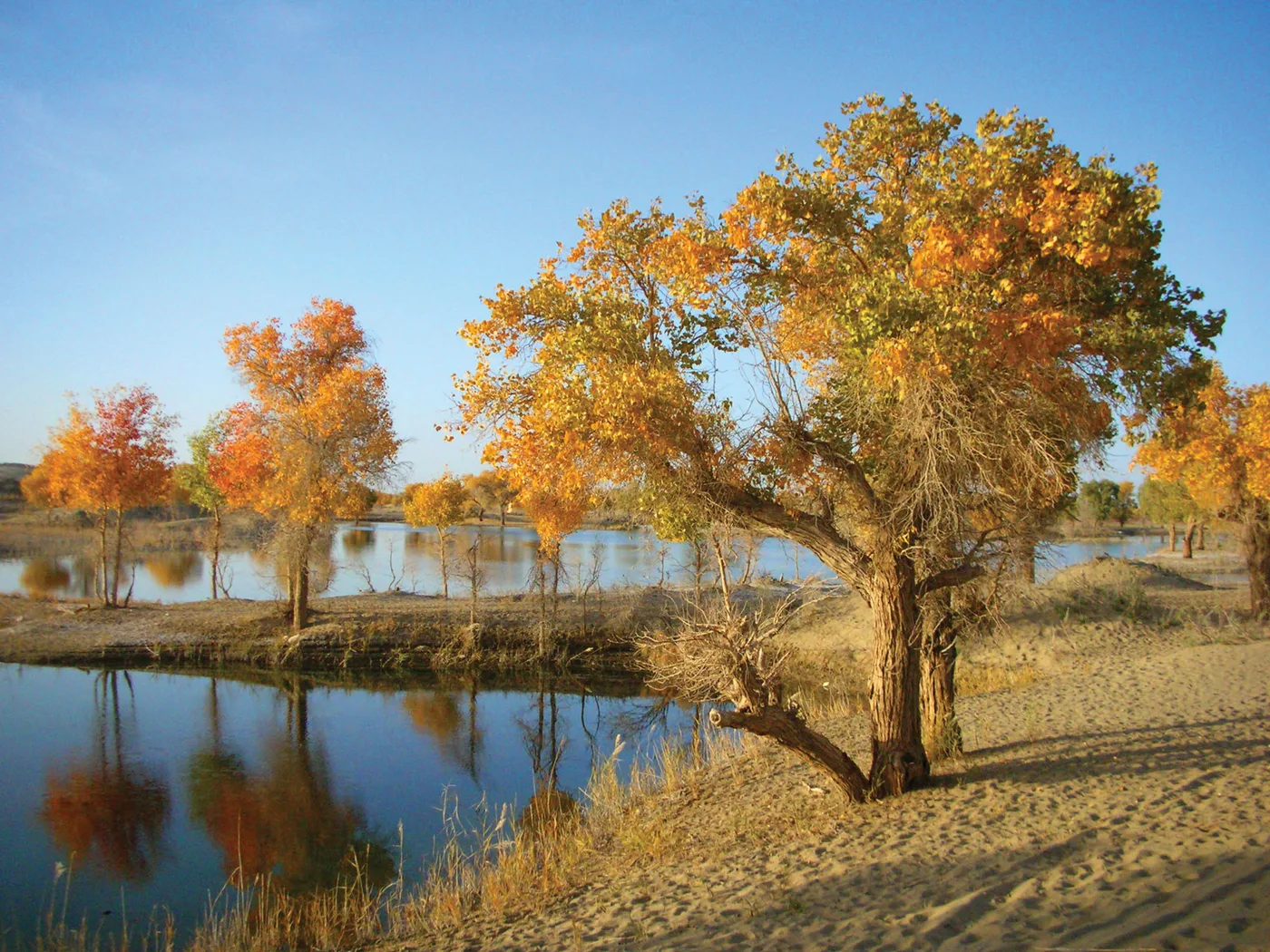
There are several species of poplar in the Middle East, and that has given rise to some controversy over which one is referred to by a particular Hebrew word. Two kinds of poplar were common in Israel in Bible times, the white poplar and the Euphrates poplar.
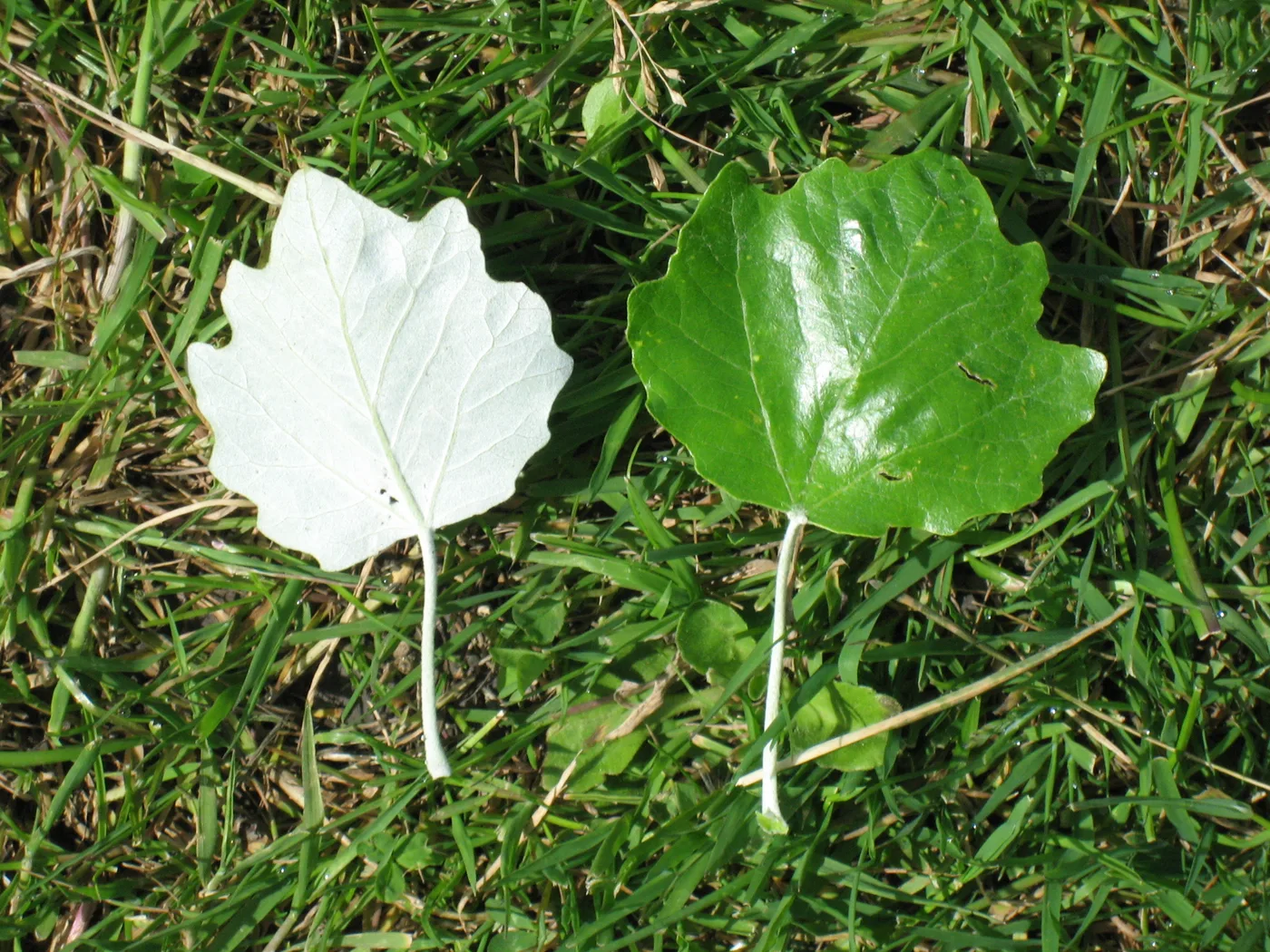
In GEN 30:37 Jacob’s magical recipe for multiplying sheep and goats relied on the light inner wood of the White Poplar Populus alba, a tree that grows along riverbanks in Israel. This softwood tree with gray bark was used for timber and for making tools and rafters. In some places the bark is used as medicine.
The Euphrates Poplar Populus euphratica likewise grows along riverbanks, but it is much more widespread in the Middle East than the white poplar, and that makes it a natural candidate for the reference in PSA 137:2, which says “On the ‘aravim [‘willows’ in RSV ] there we hung up our lyres.” This is further strengthened by the fact that in Iraq this poplar is called gharab, which is cognate with ‘aravah. Zohary suggests that the Hebrew word tsaftsafah in EZK 17:5 could be taken to refer to the Euphrates poplar. Hepper supports that, citing the easy-rooting properties of the poplar. However, the Arabs call the willow safsaf, and for that reason we take the Ezekiel reference as referring to the willow.
The trees mentioned in 2SA 5:23; 2SA 5:24 and in 1CH 14:14; 1CH 14:15 may possibly have been poplars (“balsam trees” in RSV; “mulberry trees” in KJV; “aspens” in NEB and REB), based on the observation that the leaves of poplars make a rustling sound when the wind blows.
Note that in HOS 4:13, the Hebrew word livneh refers to the styrax (see Styrax), the argument being that it is associated there with the oak and terebinth.
Description
Translation
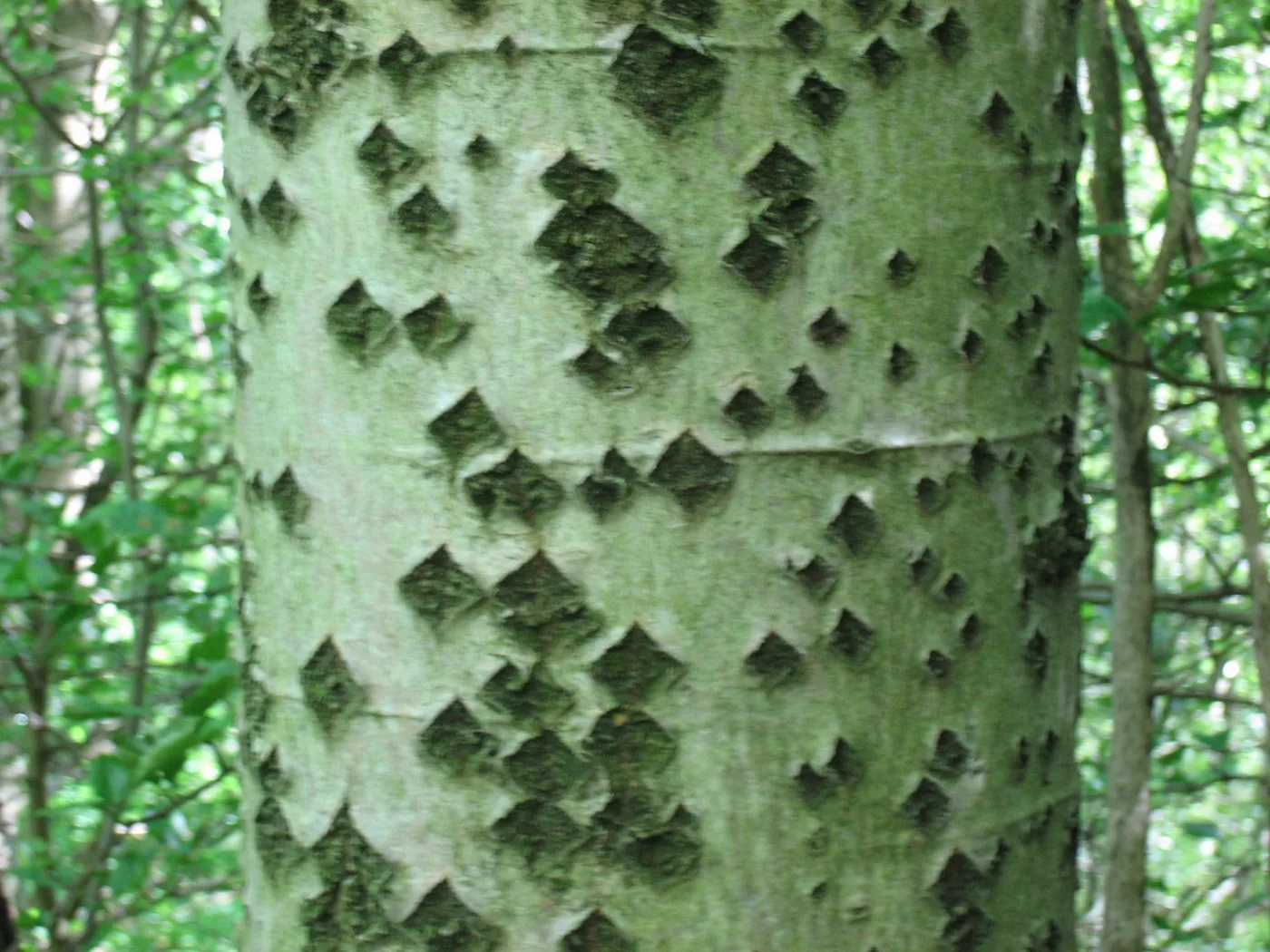
Where Populus species are known, and if the inner bark is known to be white, they could be used in Genesis, but keep in mind that another tree of the same family (willow) is mentioned in LEV 23:40. Where Populus species are not known, we advocate transliterating from a major language in GEN 30:37 (for example, popula, populari, hawur [Arabic], or abele [French]), since this is a historical setting rather than a rhetorical one. We would avoid making local substitutions, even though A Handbook on Genesis (pages 701–702) sanctions it there.