Discussion
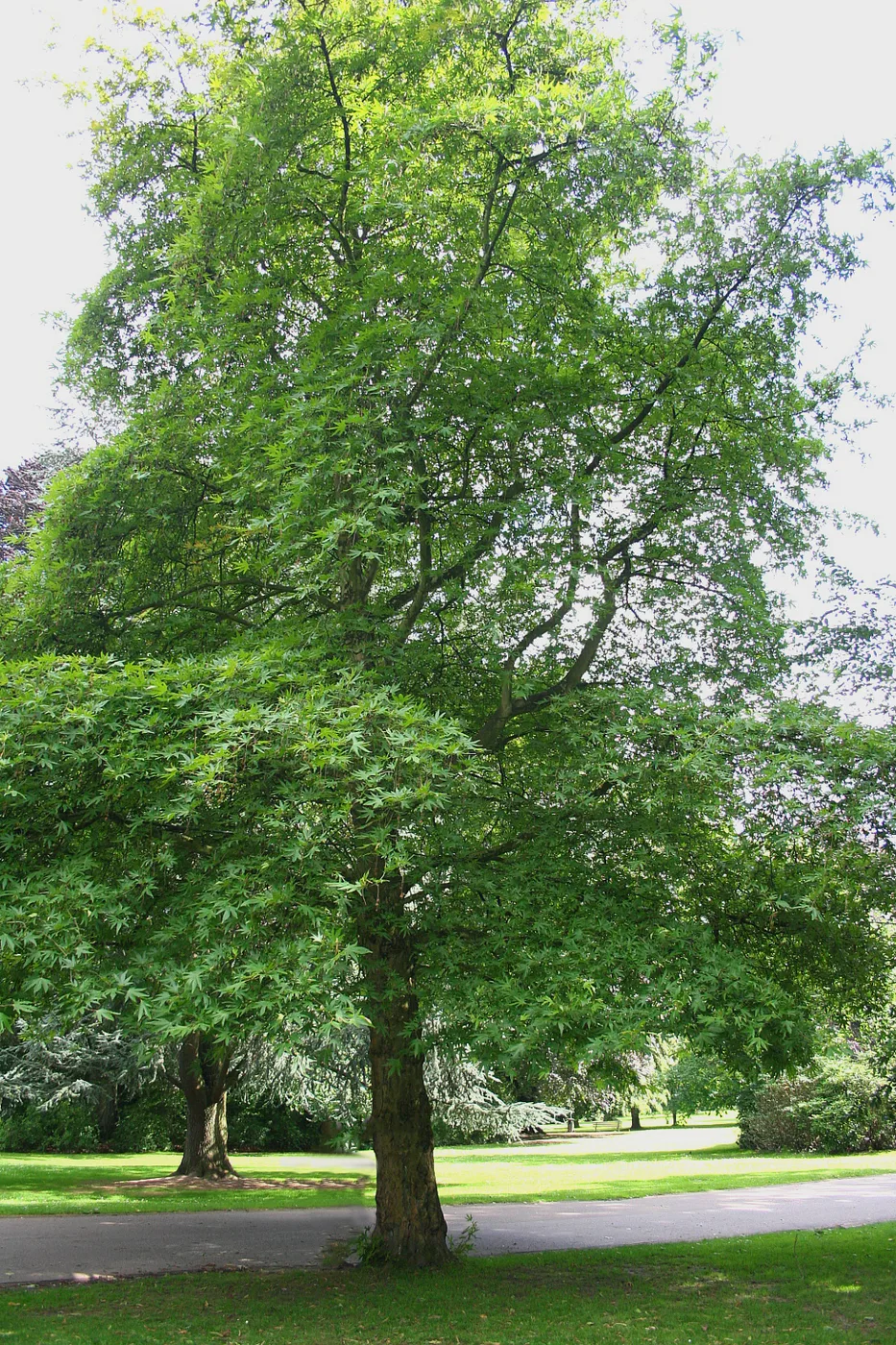
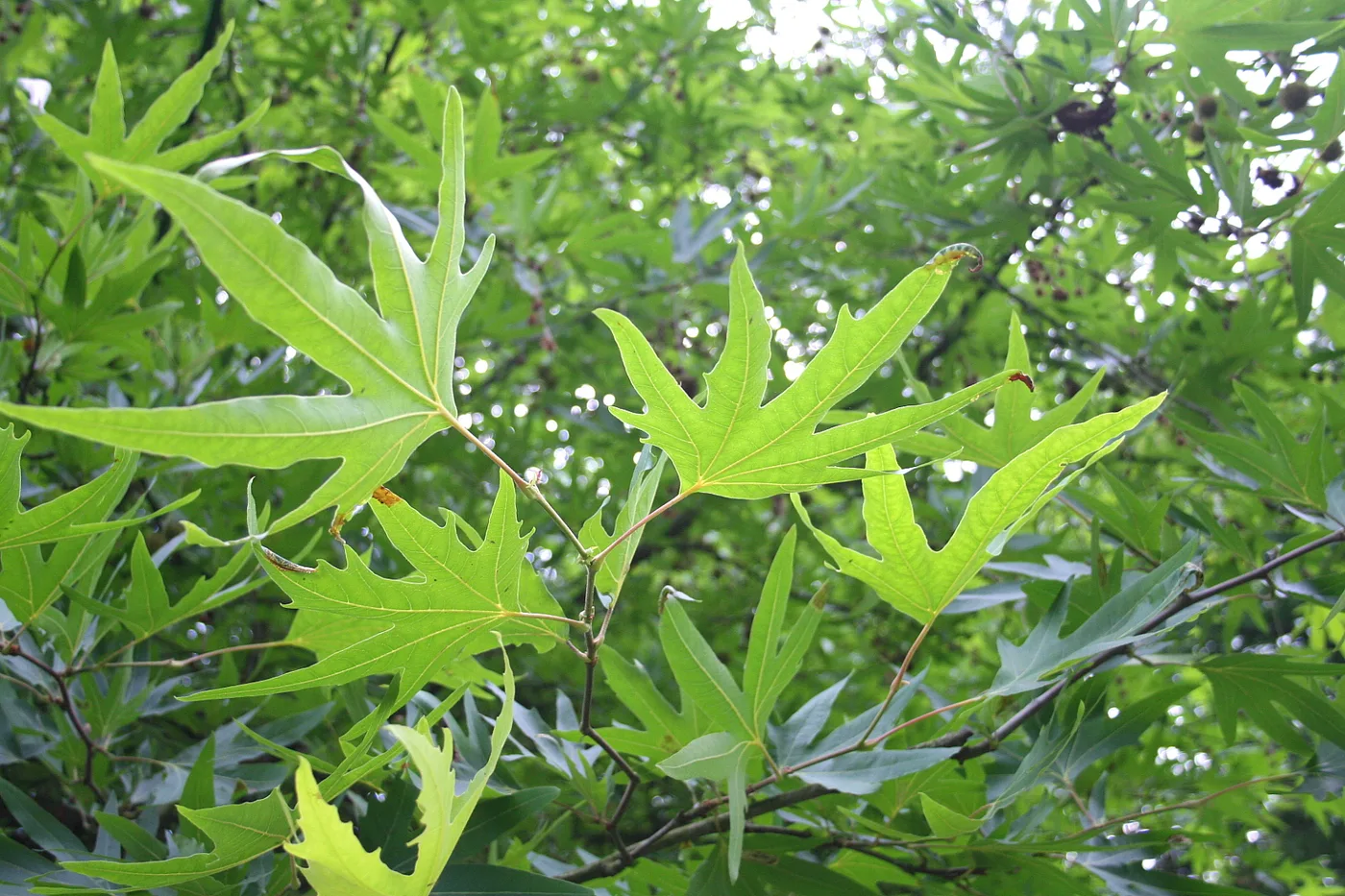
Zohary confidently equates the ‘ermon of EZK 31:8 with Oriental Plane Platanus orientalis, mostly on the basis of the fact that Arabs call it dilba, which is derived from the Aramaic. The name ‘ermon may come from the Hebrew word ‘erom meaning “naked,” referring to the way the bark peels off, leaving the seemingly naked trunk.
Plane trees may have been abundant in the past, if the common name “Wadi Dilb” is related to the Arabic dilba. In the present day, plane trees are fairly common in the upper Jordan Valley and its tributaries. It is widespread throughout the eastern Mediterranean region and in the hills of Iraq and Iran.
Description
Special significance
In GEN 30:37 Jacob presumably chose to use branches of the plane tree because its bark can easily be peeled off in strips, exposing the white or yellow inner layer. In ancient times the plane tree was praised as a shade tree by the Greeks, Romans, and Persians. EZK 31:8 associates planes, cedars, and beroshim (“cypresses” or “Grecian junipers”) with the “garden of God,” suggesting special beauty. In SIR 24:14 wisdom is compared to the plane as a beautiful, big tree.
Translation
True plane trees are limited to Europe and North America, apart from the species that grows in the eastern Mediterranean region and Iran. (A wild maple tree in Britain is misleadingly called a “plane.”) Translators in Asia, Latin America, and Africa will have no local species available for the story of Jacob’s goat-breeding experiment in GEN 30:37 and will have to consider a transliteration in keeping with the other trees mentioned there (poplar and almond). However, the passage in EZK 31:8, where the plane is used in a metaphorical context, leaves room for local equivalents. Egypt, in this passage, is compared to a mighty cedar, against which other trees, such as the plane and the fir, do not match up. Rendering “plane” here will depend on what the translator does with the other trees.