Description and usage
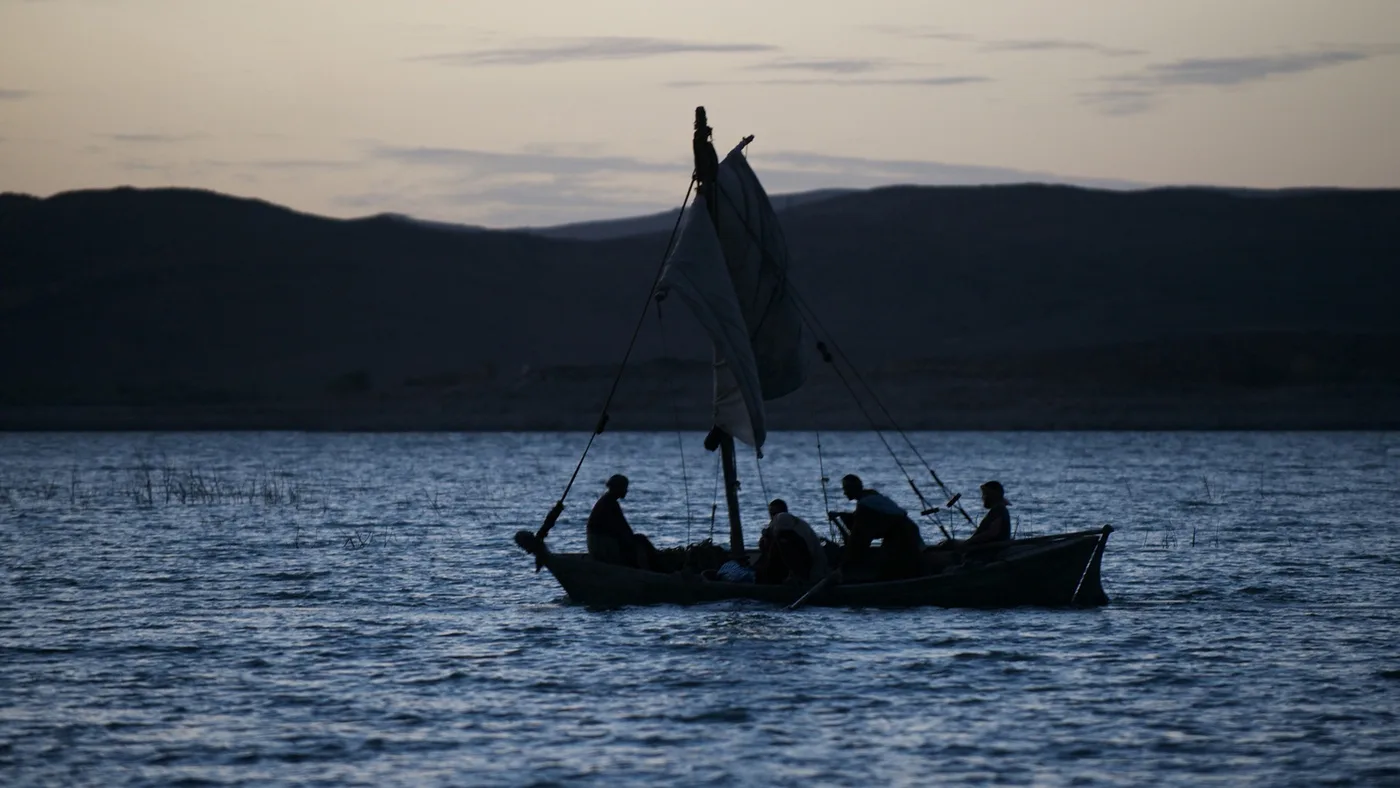
Boats and ships were vessels used for transport on water. They varied in size from very small boats, large enough for only three or four people, to ocean-going ships capable of transporting many people and large amounts of cargo. Boats and ships were generally made of wood, although in Egypt, reeds were also used to construct at least parts of boats. These vessels were propelled in several ways: sails attached to a mast caught the wind and so moved the vessel; in smaller vessels (but also in some larger ones), oars were used to row; in places where the water was shallow, they could be moved by means of a pole pushing along the bed or bank of a river or stream.
Translation
Translators must avoid a word for “ship” that indicates modern ocean-going steam-powered ships; all larger vessels mentioned in the Bible (with the exception of the ark, which had no means of propulsion) were powered either by sails or by rowers. In land-bound cultures where only small fishing boats are known, it is important to render “ships” as, for example, “big boats that sail on the ocean” or “big boats with sails to make them move on the ocean.”
JOB 9:26: “Skiffs of reed” (RSV) or papyrus were Nile River boats whose sides were made of papyrus reeds and which were known for their swift travel on the river. The first line of this verse may be rendered “My days go quickly like fast sailing boats.” In areas where sailing boats are unknown, the comparison may be shifted to any swift watercraft; for example, “My days flow swiftly like a fast dugout/canoe.” Where boats are completely unknown, it may be necessary to drop the image and say “My life is over very soon” or “The days of my life come quickly to an end.”
In JON 1:5 the Hebrew word sfinah indicates a ship that had a covered deck. It is equivalent to the word ’oniyah in this verse. Where did Jonah go to sleep? To speak of the “ship’s hold” (GNT) may suggest a more elaborate vessel than this one would be; the Hebrew word here is used for any recess or corner, as in a cave (1SA 24:3) or a house (AMO 6:10). Jonah was simply finding the most remote and comfortable place for going quietly to sleep, where he would not be disturbed. CEV “down below deck” may serve as a model. Also good is FRCL “bottom of the boat.”
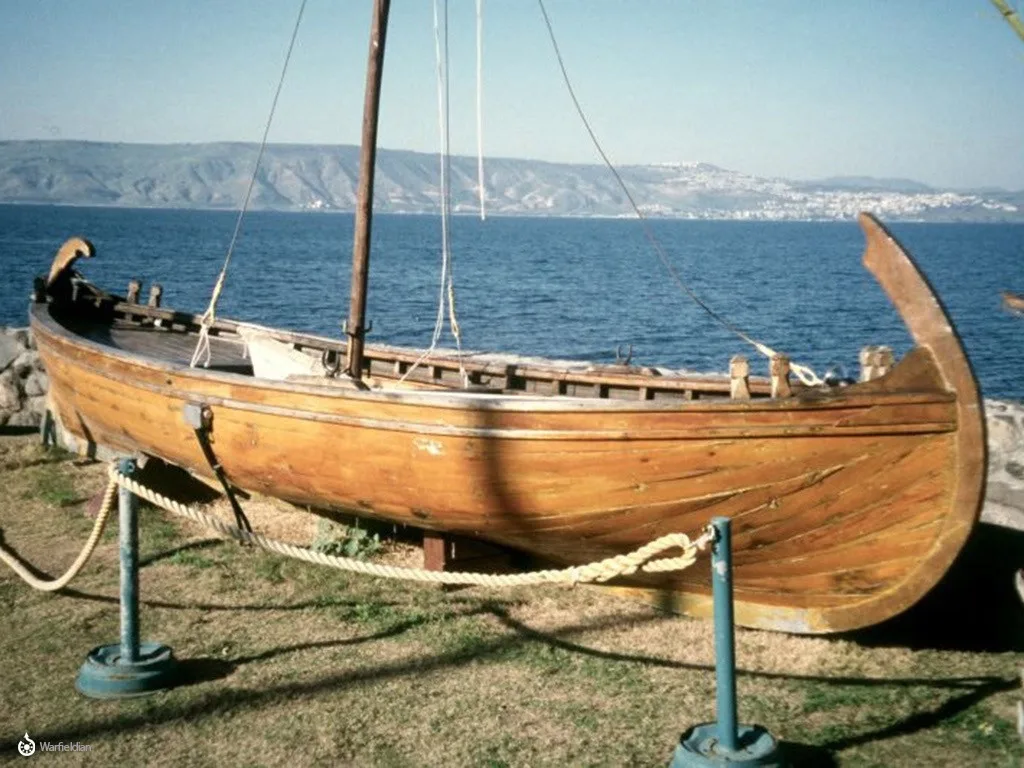
In the Gospels there is no real difference between the Greek words ploion and ploiarion, even though the latter word is the Greek diminutive of the former word. Both words refer to a fishing boat measuring about 8.5 meters (28 feet) long and 2.5 meters (8 feet) wide and able to hold 12–15 people. In the book of Acts and JAS 3:4, the word ploion refers to a larger vessel, capable of sailing on the open sea. This is true also in REV 18:17; REV 18:19. The reference in REV 8:9 may be to boats and ships of many sizes.
ACT 27:16; ACT 27:30; ACT 27:32: In these verses the Greek word skafē refers to a small boat that was normally kept aboard a larger ship and used by sailors in placing anchors, repairing the ship, or saving lives in the case of storms. In some languages skafē is equivalent to “rowboat” or “lifeboat.”
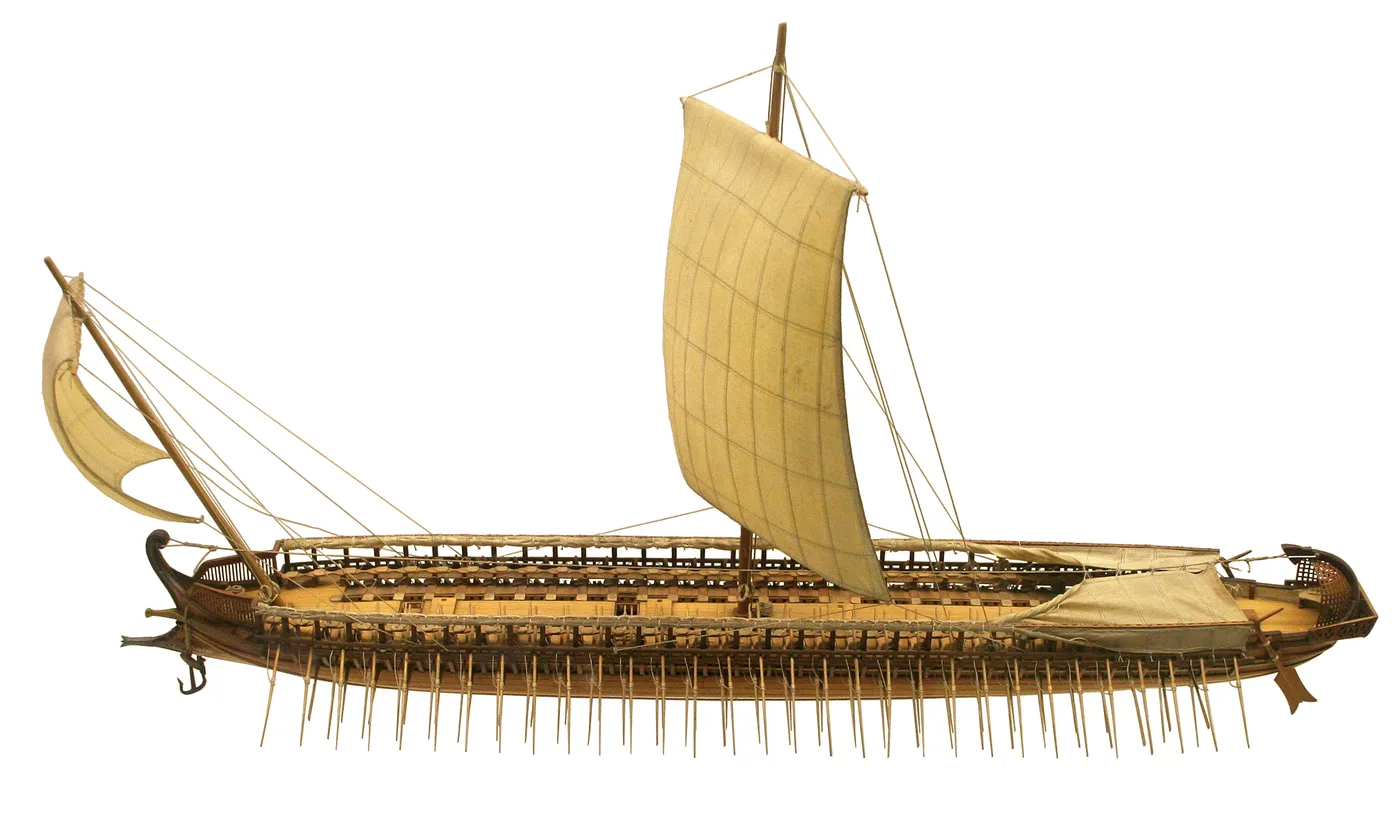
A few of the passages listed above (for example, 2MA 4:20) refer to “warships.” The context will usually make this clear. Where special words exist for ships built for war, they can be used. However, translators should be careful not to introduce anachronistic terms for modern specialized warships such as cruisers, battleships, or aircraft carriers.
The Hebrew words ’oni and tsi and the Greek word stolos refer to a large group of ships, that is, a “fleet.”