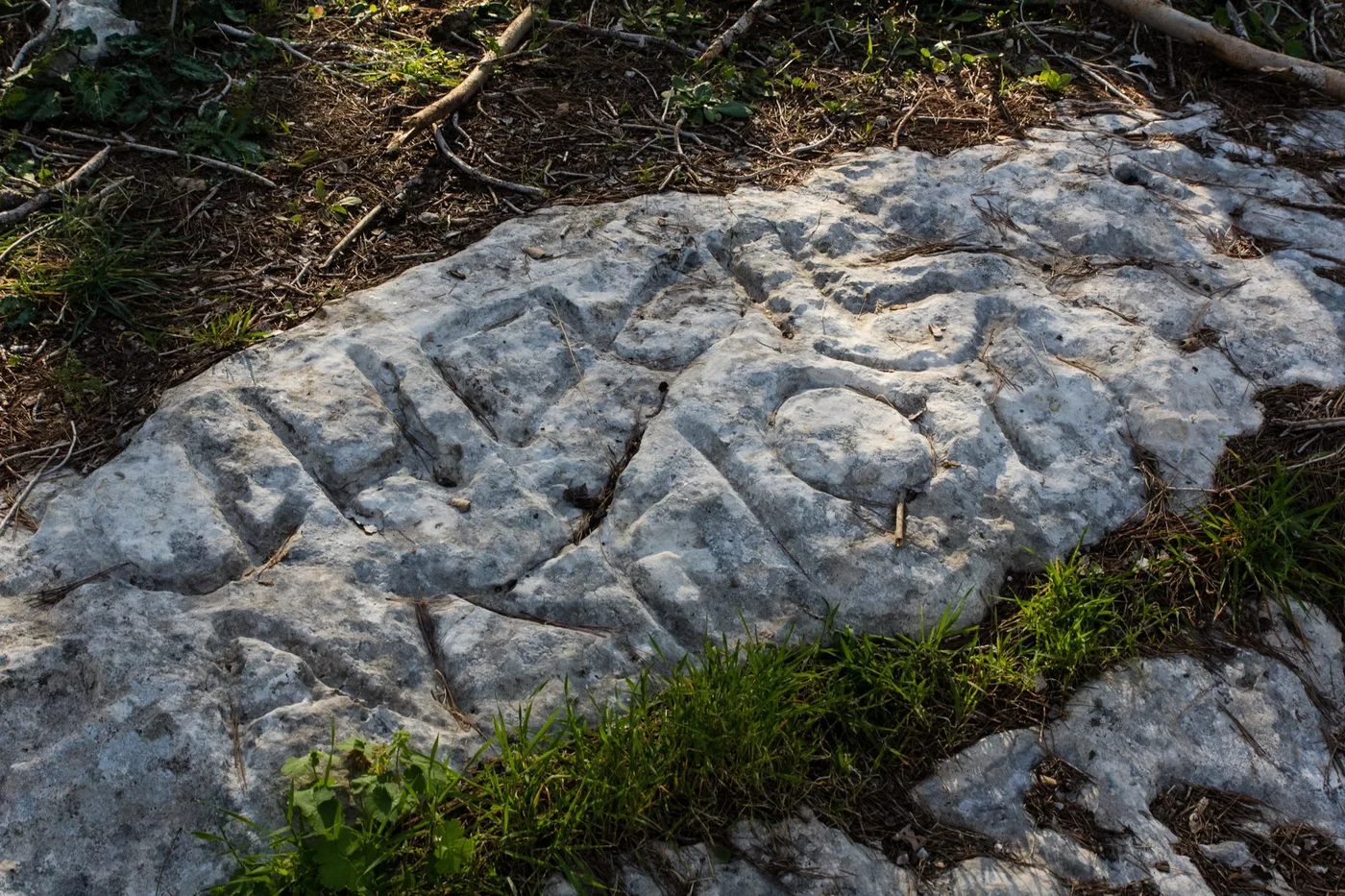
Description and usage
Boundary markers were stones placed at the edges of property to show where one man’s field ended and another man’s field began. They could take several forms. One form was a single large stone inscribed with some appropriate formula; another form was simply a pile of flat stones.
Translation
The Hebrew phrase hisig gvul /gvulah occurs in all the references listed above. It means literally “push back the border.” By moving the landmark, a person could increase his holdings at the expense of his neighbor. In JOB 24:2GNT makes the purpose of moving the landmarks clear: “to get more land.” Where such landmarks used to signify land ownership are unknown, the first line of this verse will require some adjustments, for example, “Men take land that is not theirs,” “People farm without permission on other people’s land,” “People farm other people’s land and the owners don’t know it,” “People grow their crops on other people’s land,” or “People steal their neighbors’ farm lands.” These models may be useful in translating the other references too.