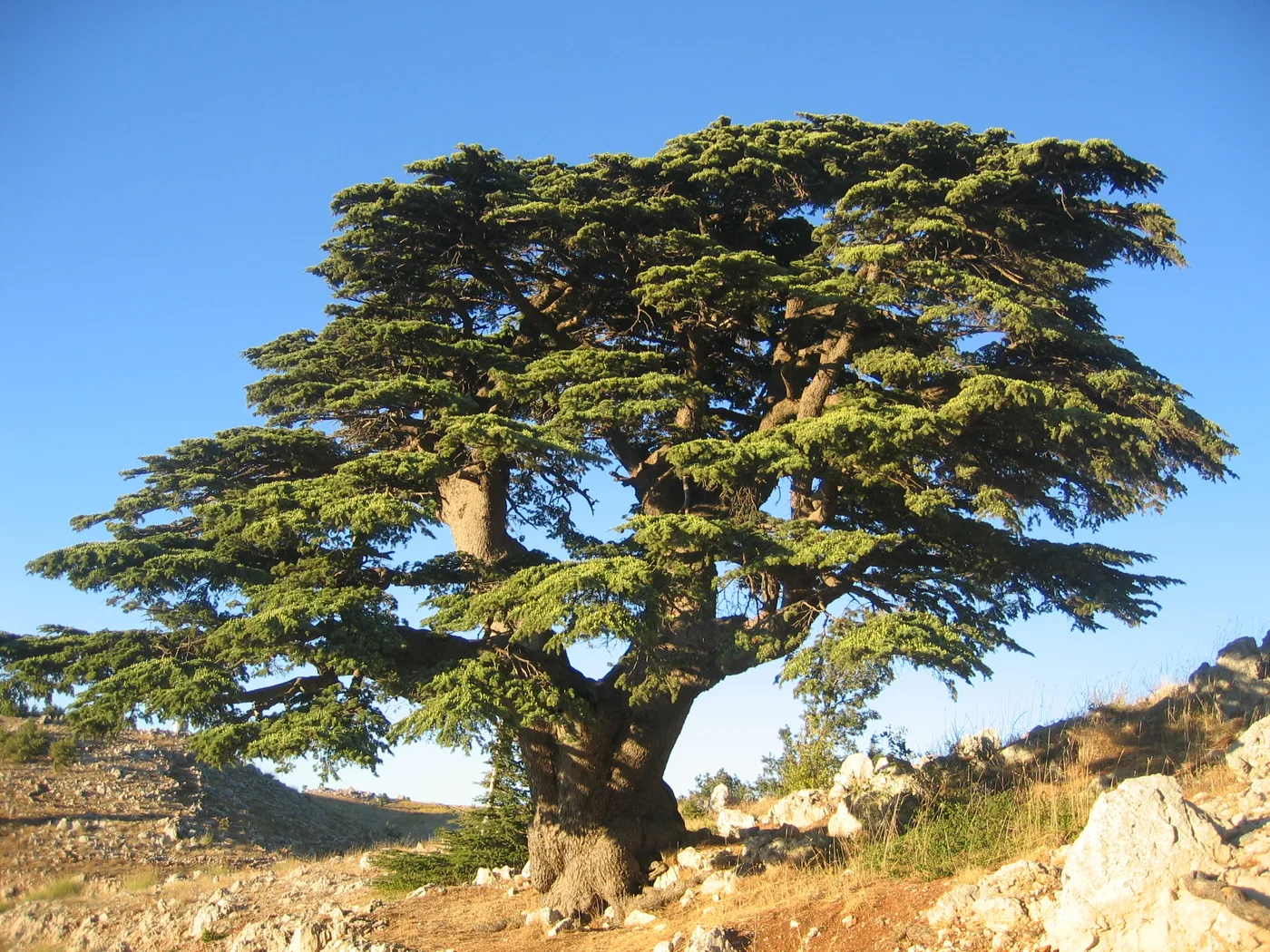
Discussion
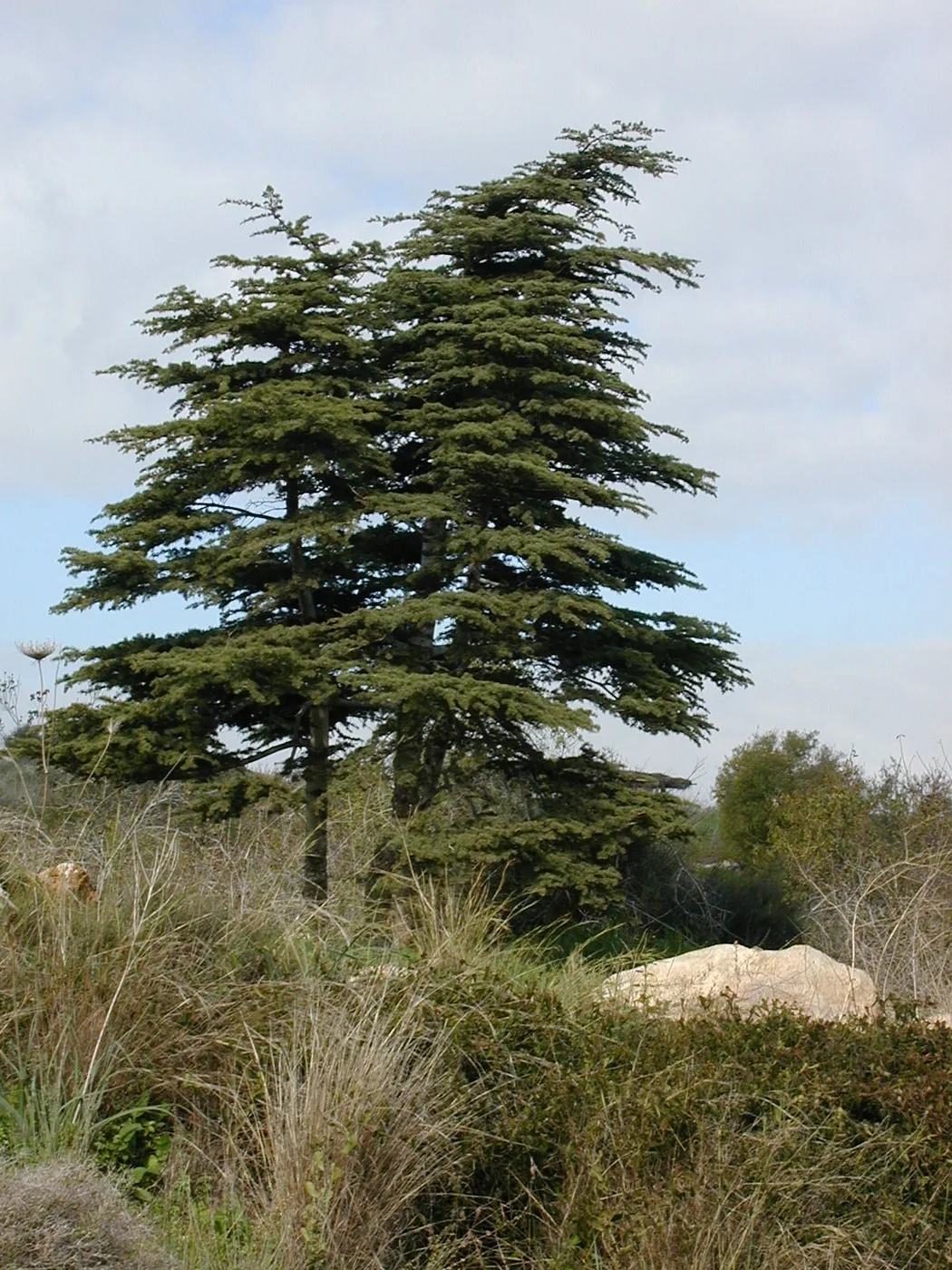
We know from 1 Kings that Solomon used cedar wood in his palace and in the Temple. Cedar was used for beams, boards, pillars, and ceilings. Historians tell us that the Assyrians also hauled cedars to their land for use in buildings. Nebuchadnezzar of Babylon also imported cedars from Lebanon. In some versions of Isaiah we read that people made idols of cedar and oak (ISA 44:14; ISA 44:15; ISA 44:16; ISA 44:17; ISA 44:18; ISA 44:19; ISA 44:20). Finally, when the Temple was rebuilt by the returning exiles (EZR 3:7), they again cut down cedar trees to grace the house of God.
In 2 Samuel, 1–2 Kings, 1–2 Chronicles and Ezra, when Lebanon is specifically mentioned, there can be no doubt that ’erez is Cedrus libani, the “cedar of Lebanon,” although it is possible that sometimes the word was used loosely to include various evergreen trees.
In the description of the purification rituals (LEV 14:4; LEV 14:6; LEV 14:49; LEV 14:51; LEV 14:52; NUM 19:6), the word ’erez probably refers to the Phoenician juniper tree (see Phoenician juniper (coastal juniper)), since that was the only cedar-like tree in the Sinai Desert. Zohary, however, suggests that in those barren lands even the tamarisk, with its cedar-like “leaves,” might have qualified as “cedar” in these rituals.
Description
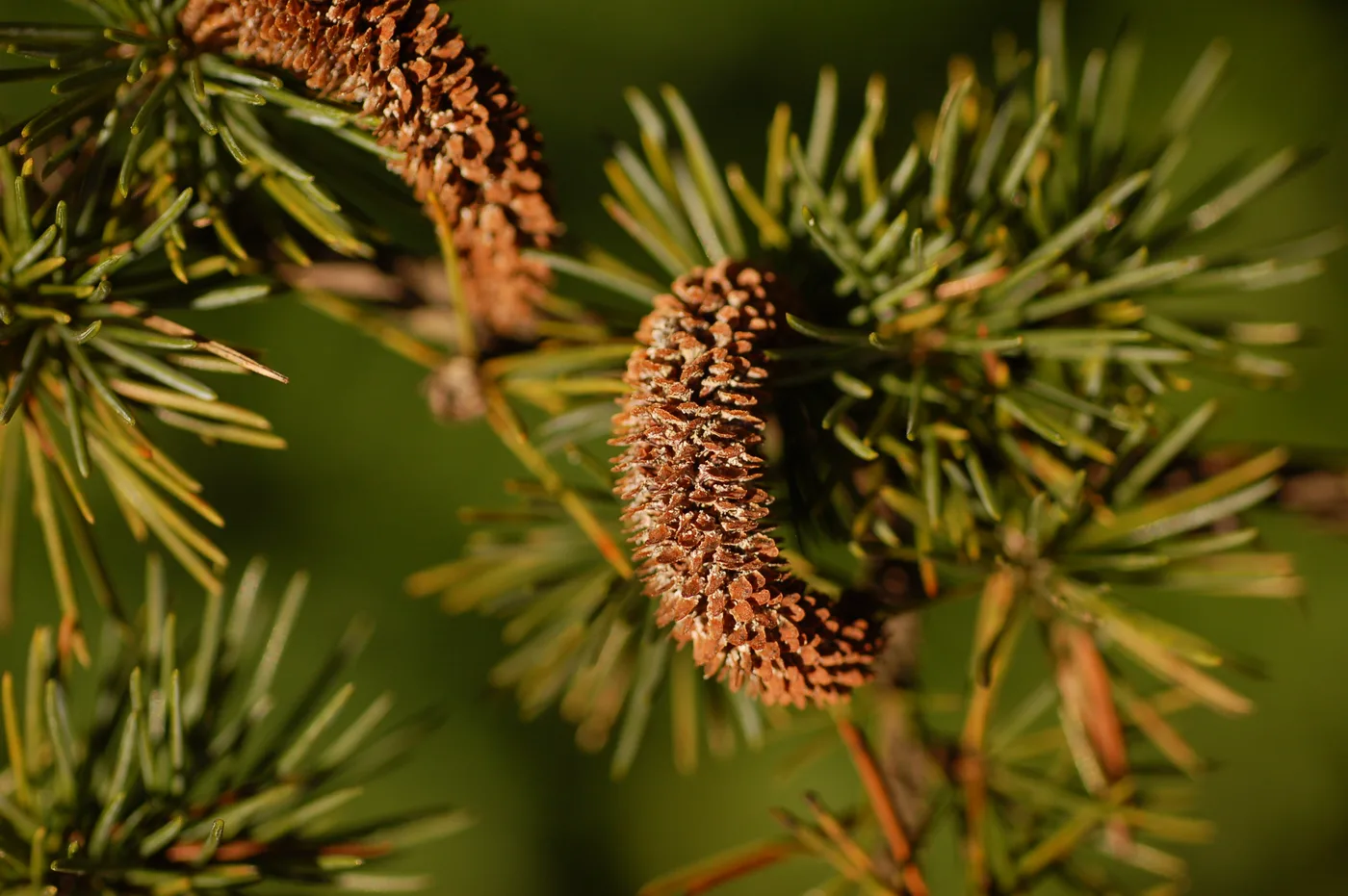
Special significance
The cedar of Lebanon is famous for its large size (see ISA 2:13; ISA 37:24; EZK 17:22; AMO 2:9 for just a few examples), and for the fragrance of its wood. PSA 92:13 links the cedar to righteousness, that is, presumably, to its straightness and height above other trees. The cedar is the national emblem of Lebanon.
Translation
Cedrus species are found in the mountains of North Africa, in the Himalayas, in India, and in North America. Translators in these places, should, of course, use the local name in nonfigurative references. In sub-Saharan Africa, translators can transliterate from Hebrew (erets), Greek (kedar), English (sedar), or another major language, or they can take a generic solution such as “large, beautiful tree.” In poetic passages (wisdom literature and prophecy), some translators may wish to use a cultural equivalent with these traits. In Africa, according to Burkhill, the Pink Mahogany Guarea cedrata is also called the pink African cedar because of the cedar-like scent of its timber. Likewise, some people in India and Australia use “cedar” to refer to the toon because of its reddish wood. I do not recommend such substitutes in historical passages, since the ’erez is not related to these trees. In some figurative passages, however, the substitution could be effective, since all are large trees with reddish wood. However, each passage has to be evaluated to determine the intended effect of the image.
The Hebrew word ’oren in ISA 44:14 is translated “cedar” by RSV, the Jerusalem Bible (JB) and the New English Bible (NEB), and “ash” by the King James Version (KJV). This word probably refers to the bay laurel (see Laurel (bay tree)). ’Oren in modern Hebrew refers to the Aleppo pine (see Aleppo pine).
PSA 37:35: There are two positions here based on varying Hebrew texts:
1. following the reading ke’erez halevanon yields “like a cedar of Lebanon” (RSV, GNB, JB, Septuagint);
2. following the reading ke’ezrach ra‘anan yields “like a luxuriant native tree” (so CEV, NIV, NLT, NCV, REB, NJPSV).
The Hebrew Old Testament Text Project (HOTTP) favors the latter reading ke’ezrach ra‘anan with a B rating: “like a native [tree], greening.” KJV translates “like a green bay tree,” but there is no recent scholarly support for this interpretation. Thus, option 2 above is probably best.