Reference:”
Discussion
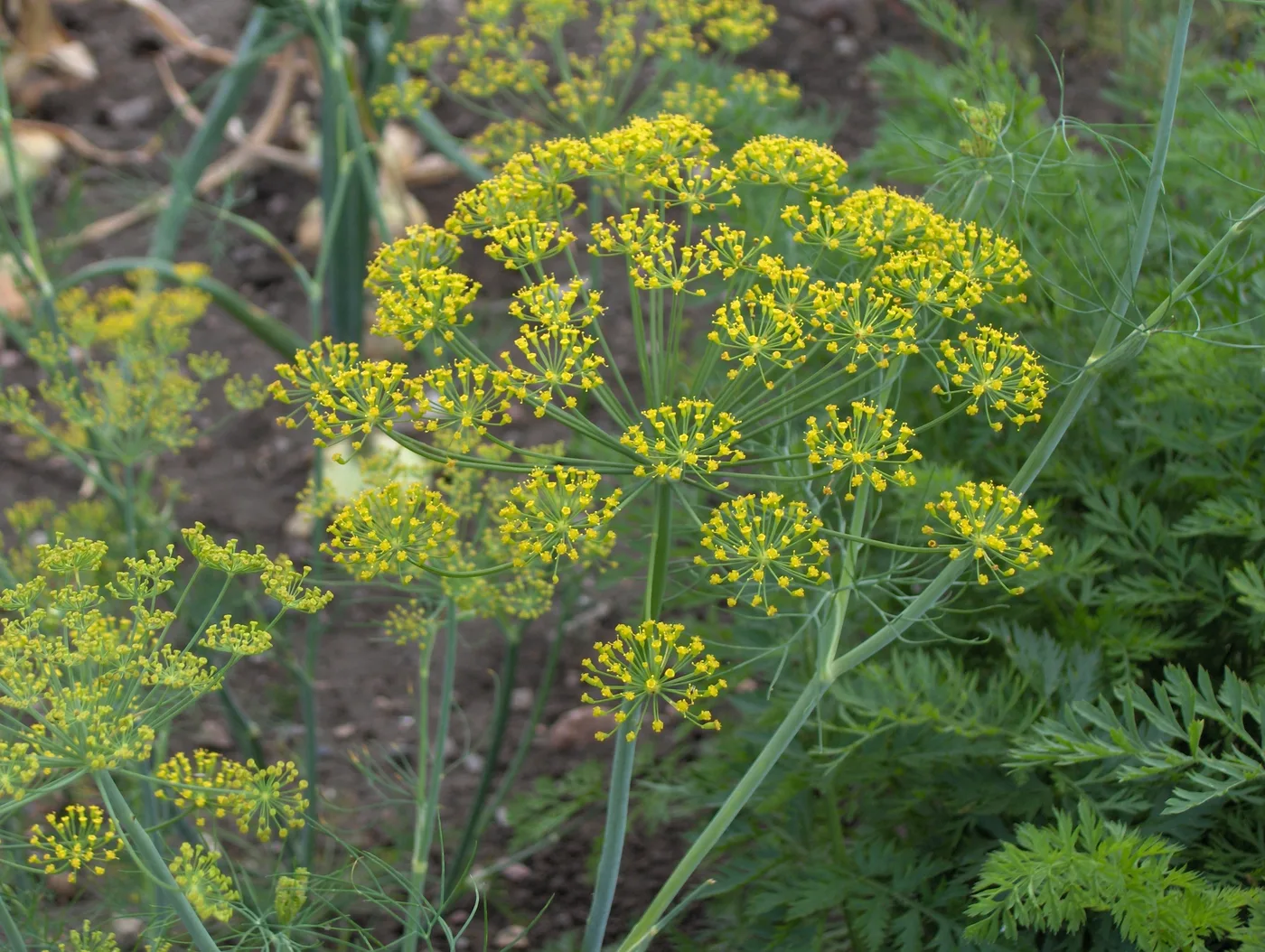
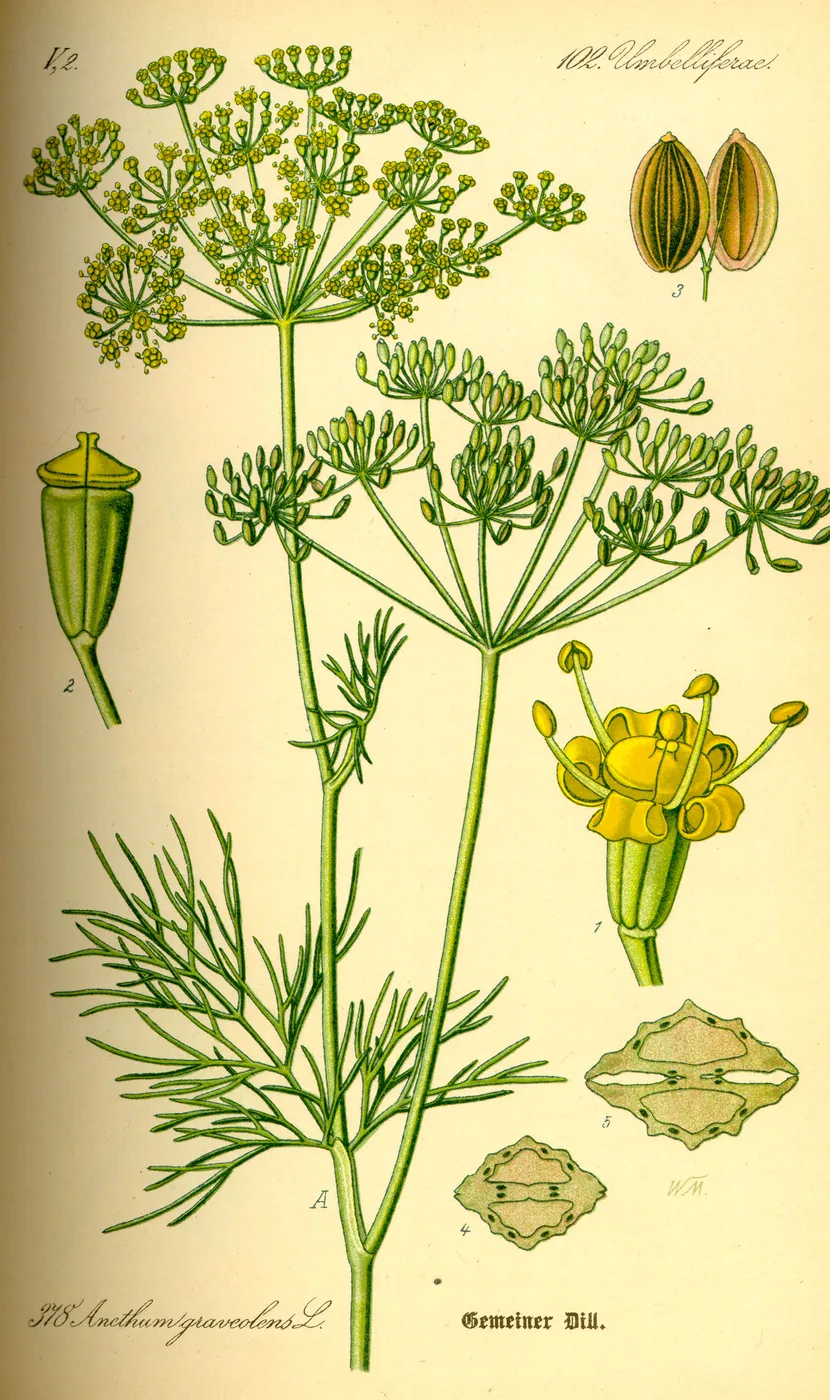
KJV translates the Greek word anēthon in MAT 23:23 as “anise,” but scholars now agree that the plant Jesus refers to is the Dill Anethum graveolens, a garden herb. The translation of the Hebrew word qetsach as “dill” by RSV, NEB, and REB in ISA 28:25; ISA 28:27; ISA 28:27 is now seen as erroneous. (see Nigella (kalonji, black cumin, black seed, charnushka, nutmeg flower).)
Description
Special significance
As in the case of cumin (3.5.3) and mint (3.5.7), Jesus used dill to condemn the skewed values of the religious leaders, who were blind to the misfortunes of the poor but fastidiously tithed even small garden seeds.
Translation
Dill is known in western Asia and in India as well as in Europe and America. Depending on what is done with the other plants in MAT 23:23, namely mint and cumin, the translator may choose to transliterate “dill” from the original Greek anēthon or from a major language (for example, French aneth; Spanish anega, eneldo, aneto; Portuguese endro, aneto, funcho; Arabic bazrul, shibit, sjama). It is debatable whether the context here is rhetorical or not, so transliteration of the three species is acceptable, although substituting cultural equivalents is also possible and effective. It is important to keep in mind the parallel passage of 2KI 6:25, which does not include dill. An American Translation (AT), Mft, and Weymouth use “dill” here, as do the modern English versions.