Discussion
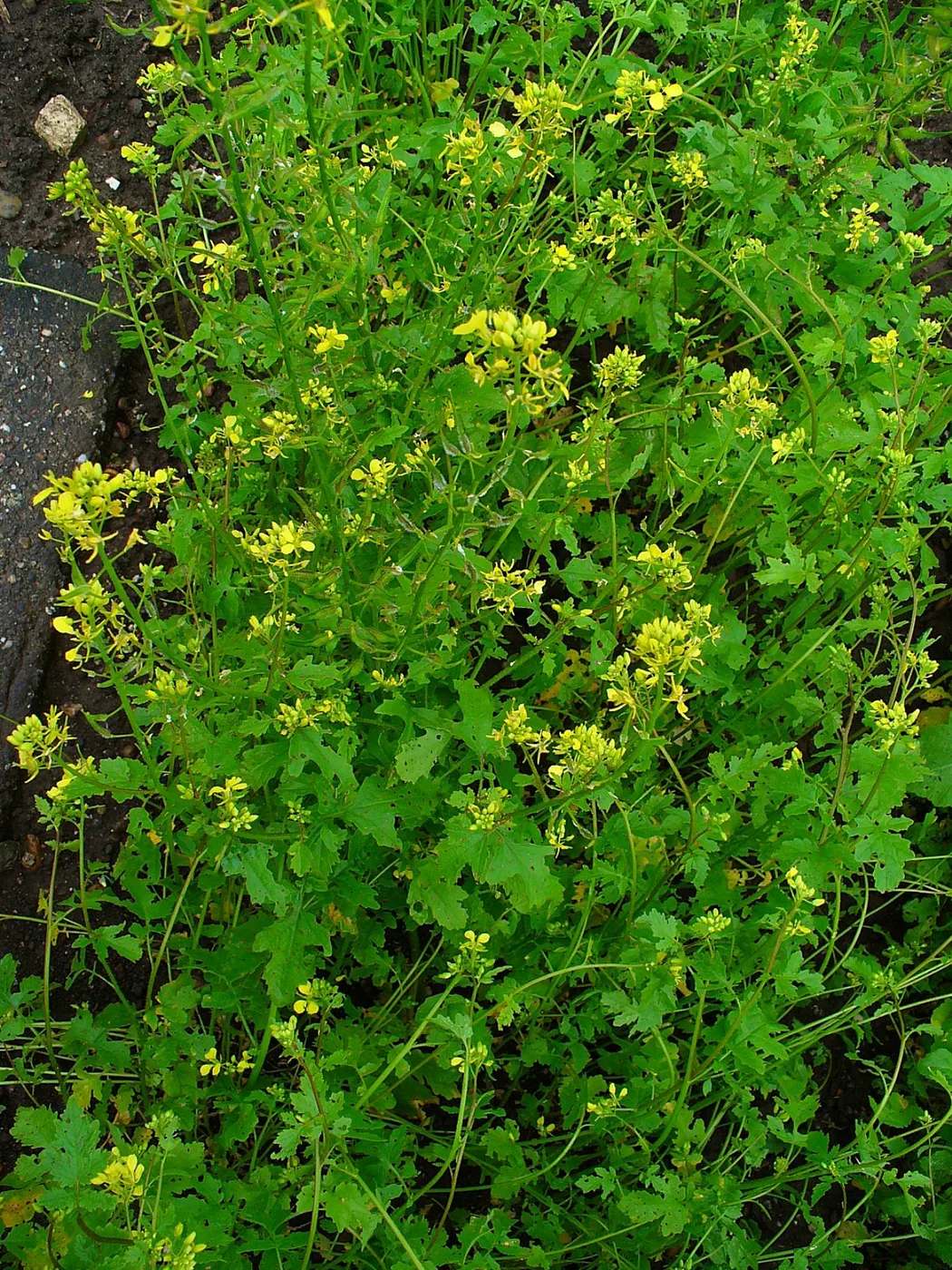
There is by no means full agreement about the precise identity of the plant in Jesus’ famous references to the mustard seed. Two types of mustard grow in the Holy Land and probably grew there in Bible times: Black Mustard Brassica nigra and White Mustard Sinapis alba. Zohary and Moldenke favor the former. Hepper leaves it open. Both species were either cultivated or gathered in Bible times, probably more for the oil, which was used in medicine and cooking, than as a spice. Both types are cultivated today.
Description
Special significance
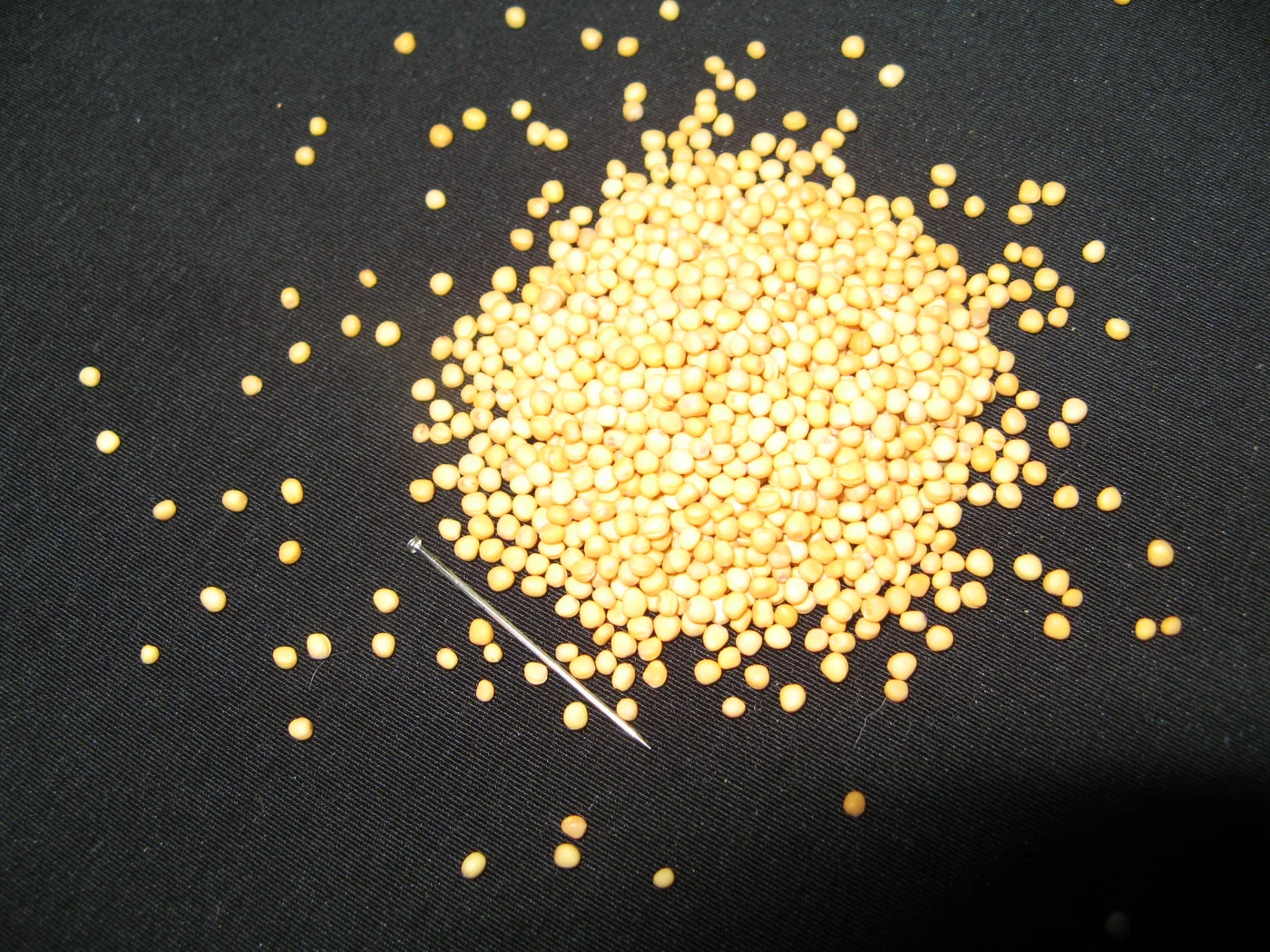
The point of the mustard seed parable of Jesus is that something small can produce something very large and complex, like the kingdom of God, or like the amazing deeds of a person with faith.
Translation
At least thirty kinds of mustard are known in the world, twenty-one of them in Europe. Others are found in Northeast Africa, India, Japan, and China. The quality in focus in all of the Gospel references is the smallness of the mustard seed compared to the large size of the resulting plant. The translator must keep that in mind, even if a relative of the mustard is found. If no effective equivalent is available, it will be necessary to transliterate “mustard” from a major language (for example, French moutarde, Spanish mostaza, Portuguese mostarda, Arabic khardalaswad, Swahili haradali).