Reference:”
Discussion
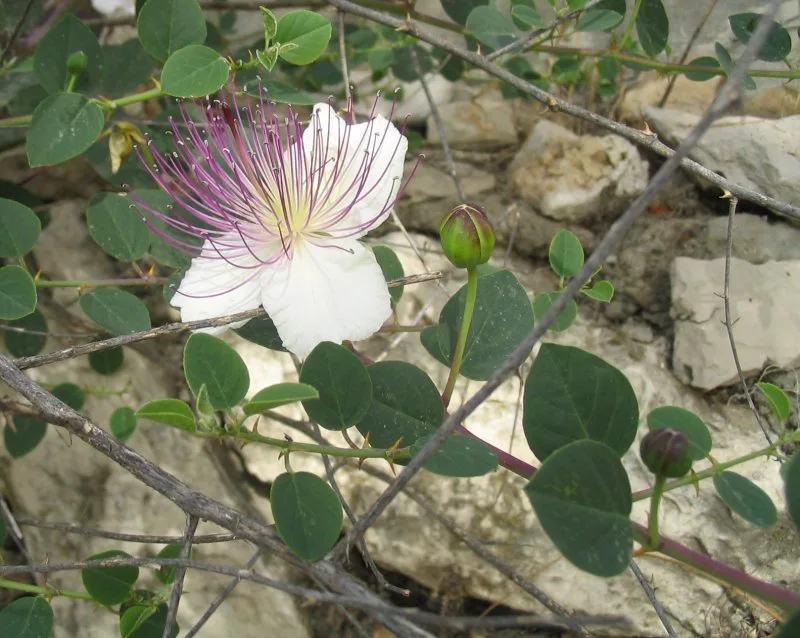
In the delightful description of old age in ECC 12:0, a string of metaphors is followed by the clause “desire [’aviyonah in Hebrew] fails.” The word ’aviyonah only occurs once in the Bible, so there has been much debate over its meaning. The Septuagint translators took the first meaning of the word and rendered it “caper berry,” referring to the spicy tasting bud of a small bush (Capparis spinosa) common in the Middle East. The Syriac and the Vulgate have the same rendering, and so do NAB and GECL. GW, JB, and NJPSV are similar with “caper bush,” and so are NEB and REB with “caper-buds.” La Nouvelle Bible Segond and La Sainte Bible: Version Synodale say simply “caper,” and FRCL uses the generic term “spices.”
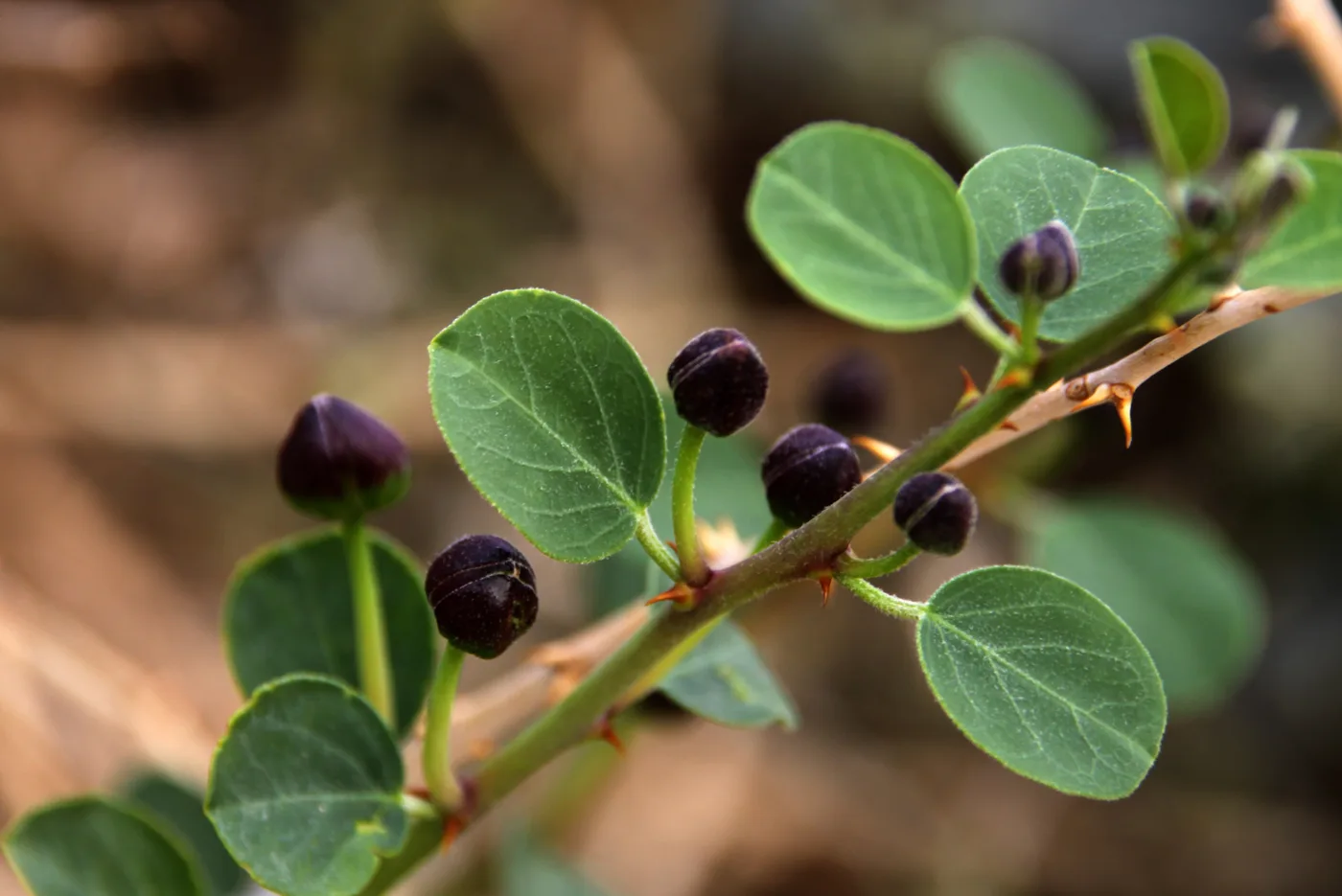
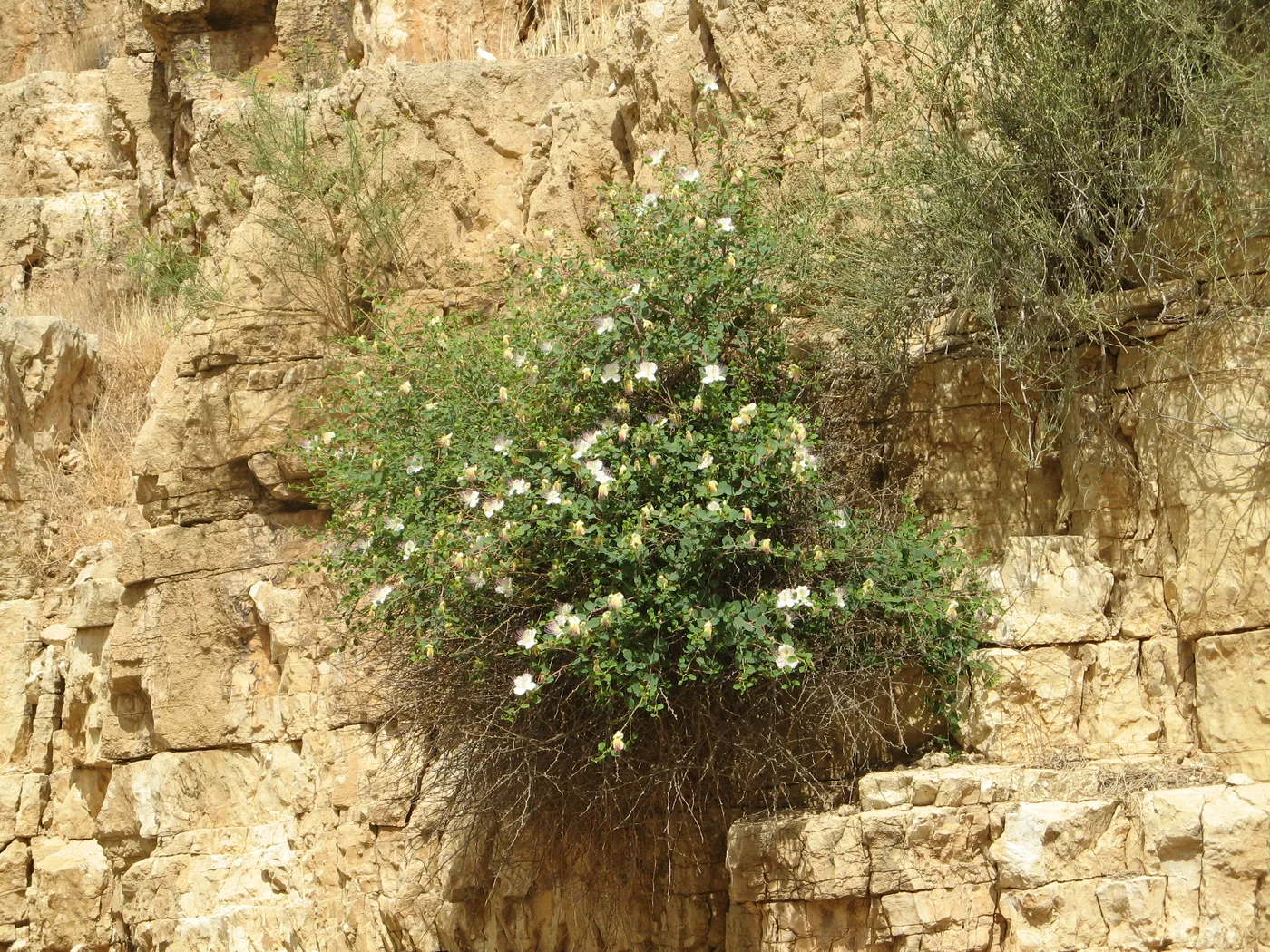
A number of prominent botanists are convinced that the Hebrew word ’ezov in the Pentateuch does not refer to the hyssop plant (so Septuagint) or even the marjoram (“Syrian hyssop”), but to the caper bush, which grows in Egypt and the Sinai Desert, where the Israelites were instructed to use it for the Passover ceremony. It also grows in the cracks of city walls, fitting the description of Solomon’s knowledge of botany as described in 1KI 5:13 (4.33). Some even say a stick from the caper bush would have been long enough to fit the reference in JHN 19:29 (hussōpos in Greek), where soldiers lifted a sponge to Jesus’ lips on a stick. However, Zohary and others, on the basis of etymology, believe the words ’ezov and hussōpos most likely refer to the marjoram plant. I agree. See also the discussion on these words under Marjoram.
Description
Special significance
Translation
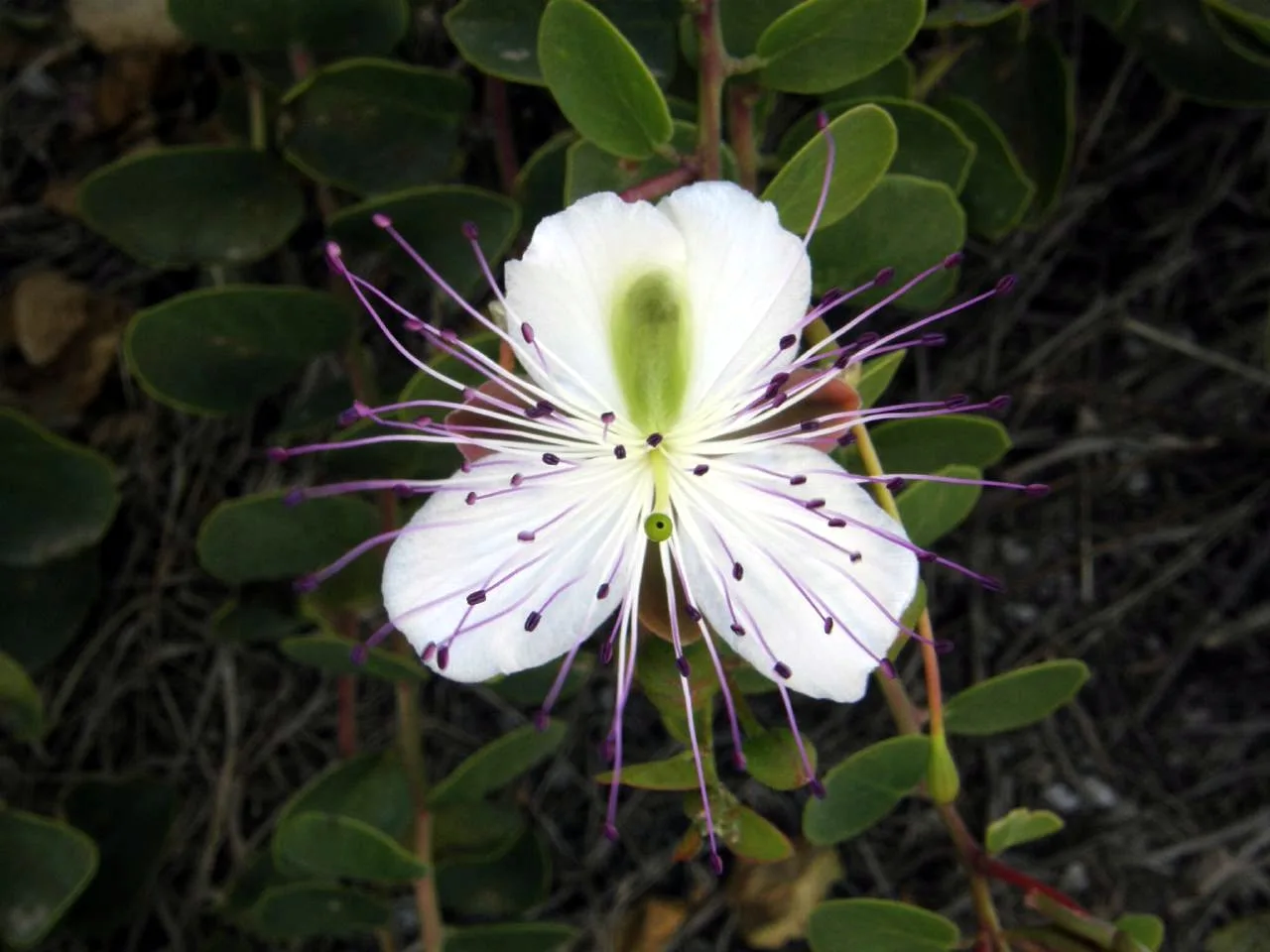
The caper bush is common throughout the Mediterranean region. Another species known as Capparis sodado grows in East Africa (Sudan), Arabia, and southern India. It is an almost leafless spiny shrub and has edible berries. Four other members of the genus Capparis are found in South America (mostly in Argentina, southern Brazil, Columbia, Paraguay, and Venezuela) with the names Pan y agua and Sacha-poroto. There the fruit is eaten but is apparently not as popular as the caper is in southern Europe. The reference to the caper in ECC 12:5 is part of a long string of metaphors, so the translation of “caper” will depend on how the translators have dealt with “almond tree” and the other metaphors, either leaving them literal, or “domesticating” them by using local equivalents or a generic term. Our preference here would be to keep the language poetical by substituting a local plant with the same function, in this case, something that stimulates the taste buds. Here we want to express the old person’s inability to enjoy spicy food. If the translation is to be more literal, an English transliteration could be used by rendering the whole clause as “the kaparis no longer makes you/him salivate [or, no longer bites/tickles],” with a footnote indicating that kaparis is a Jewish spice. Other transliterations could be made from Arabic assaf, alkabara; French capre; Portuguese alcaparras; and Spanish alcaparron, caparra. RSV says “desire fails,” which is a nonfigurative rendering of the Hebrew. If this option is followed, a footnote may be appreciated, stating that the Hebrew refers to a spicy food in this passage.