Discussion
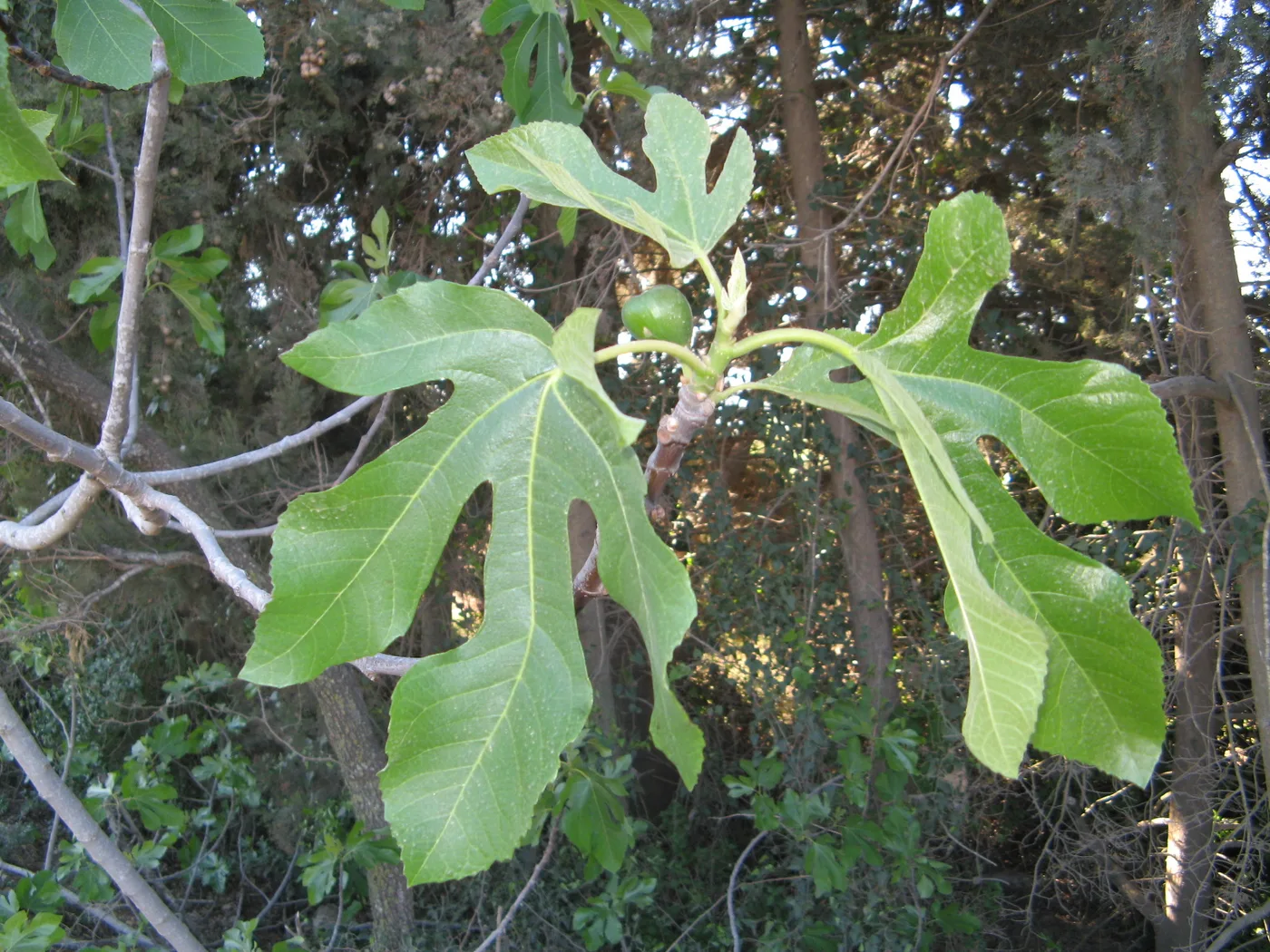
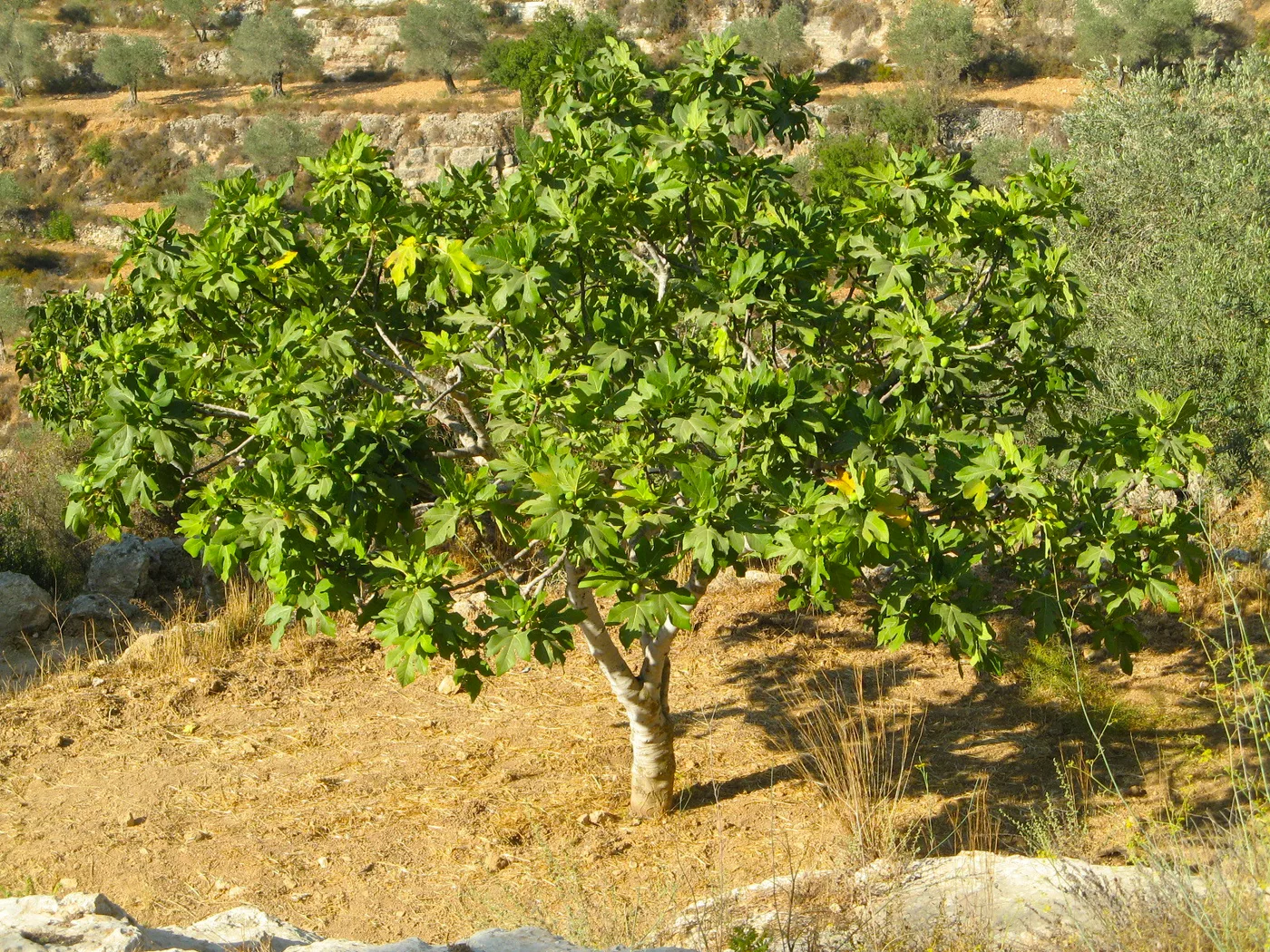
The fig was probably domesticated in northwestern Turkey from a wild variety that grew there around 5000 years ago. Greek, Roman, and Egyptian records indicate that the fruits were popular. Figs are now grown especially in Israel, Turkey, Greece, Italy, and Portugal, as well as in the warm parts of the United States. The fig is distantly related to the mulberry (Morus nigra), breadfruit (Artocarpus altilis), jackfruit (Artocarpus heterophyllus), and Chinese mulberry (Cudrania tricuspidata).
The fig is believed to be indigenous to western Asia and to have been distributed by humans and birds throughout the Mediterranean area. Remnants of figs have been found in excavations of sites traced to at least 5000 B.C.
Description
Special significance
Translation
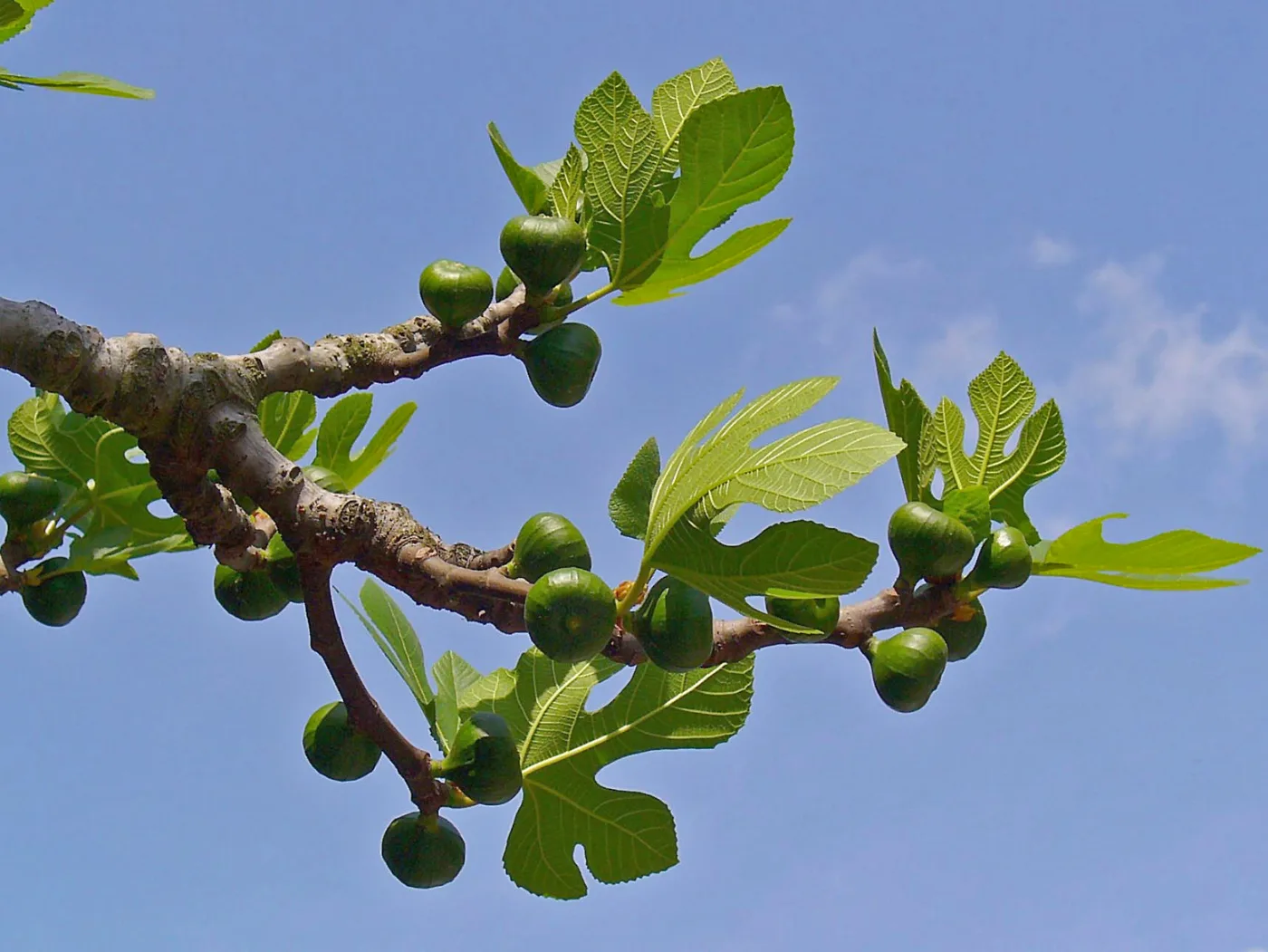
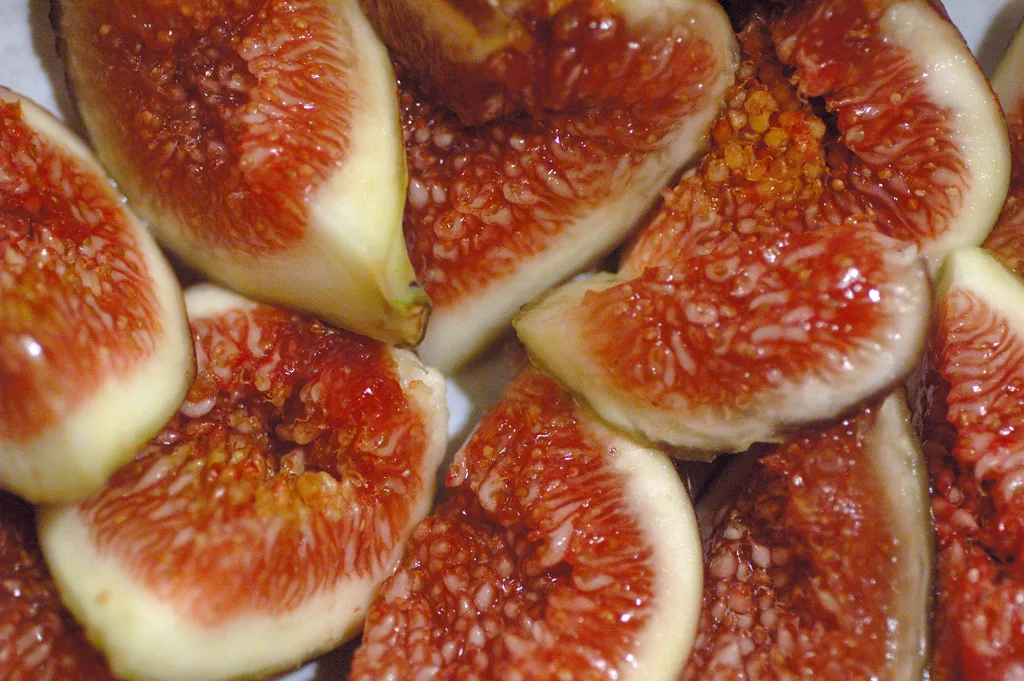
Wild figs are common throughout the tropical world; there are at least eight hundred species of Ficus, thirty-two in southern Africa alone. The banyan, peepul, and bo are all types of fig. The fruits of wild fig trees are not nearly as juicy or sweet as those of the domesticated ones. In many places people eat the fruit when they find it in the wild, but do not market it or cultivate the trees. Translators are urged to use the local word, and, if necessary, use a footnote to indicate the difference between the local one and the biblical one. Where it is not known at all, transliterations from a major language may be used in nonfigurative contexts, for example, fikus (Latin), teen /barchomi (Arabic), higo /higuera (Spanish), figue (French), Feige (German), fico (Italian), figuera (Portuguese), mu hwa gwa (Korean), anjeer (Hindi), and wu huwa guo (Chinese).