Reference:”
Discussion
The identity of ’egoz (“nut orchard”) mentioned in SNG 6:11 is debated. It may well have been the walnut (CEV, GW, FRCL, GECL), since this tree was well known in biblical times, even though it is not mentioned in the Bible except for this possible reference. The majority of versions play it safe with “nut orchard” (RSV) “grove of nut trees” (NIV), or something similar. GNB has “almond,” which is also possible, although one could ask why the writer would not have used one of the two normal Hebrew words for almond (luz or shaqed) if that is what he meant.
The Jewish historian Josephus noted that walnuts were cultivated in the area of Lake Galilee, and other early Jewish writings describe various walnut products, including the oil, tannin (used for leather processing), and wood. In East Jerusalem there is a place called the Valley of Walnuts. Further support for the identification of ’egoz as walnut comes from the Arabic cognates goz and jauz referring to the walnut.
Description
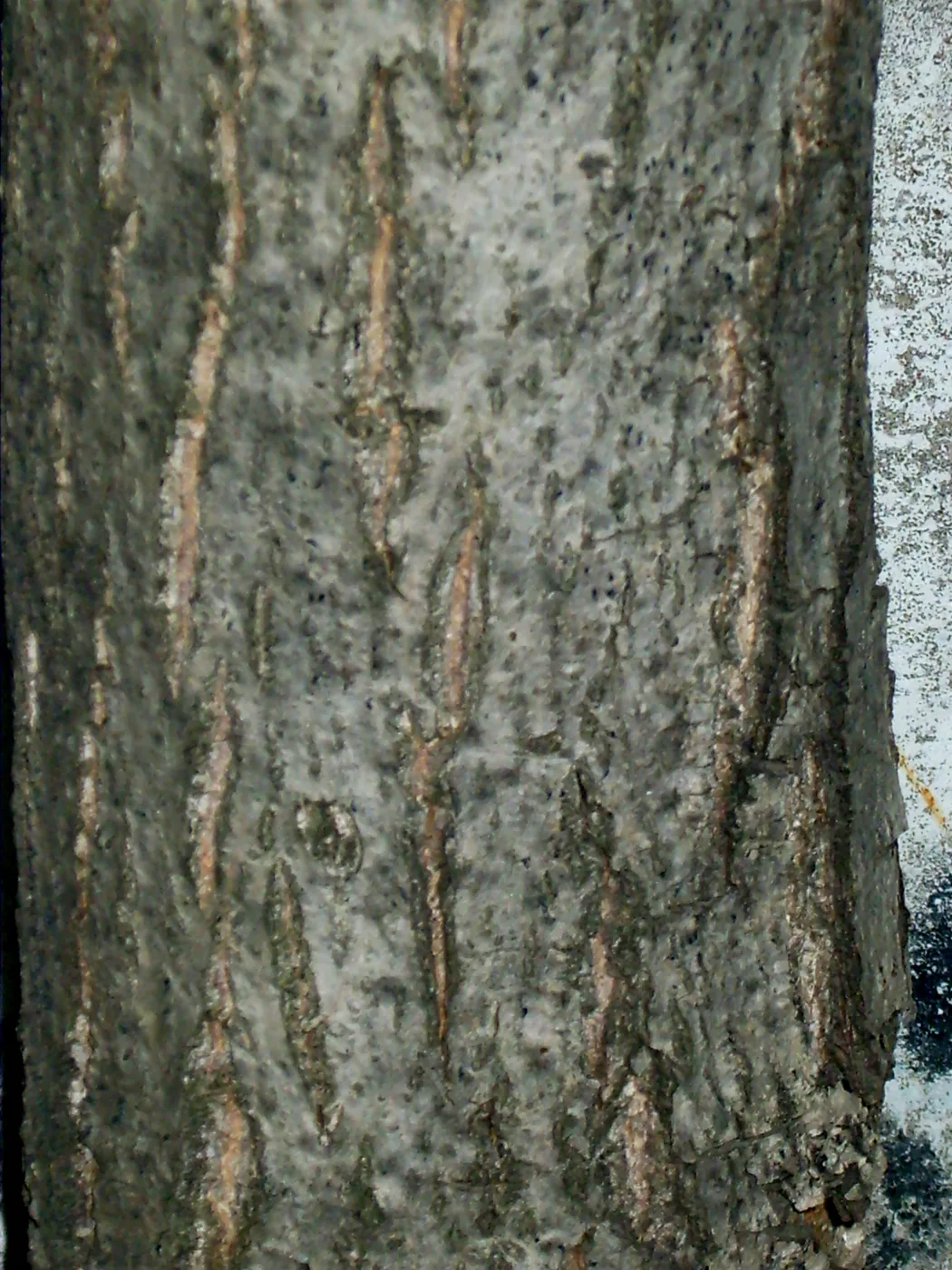
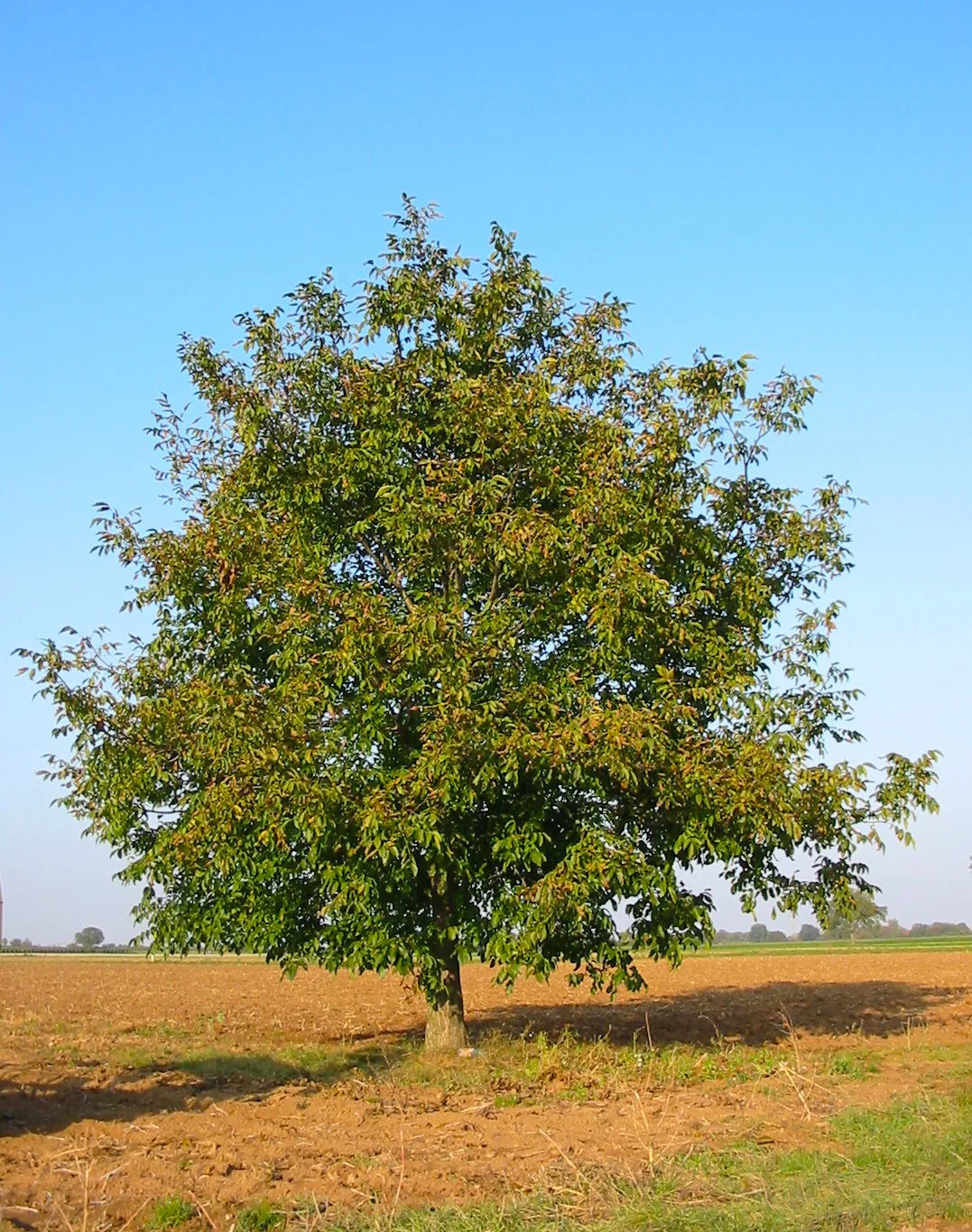
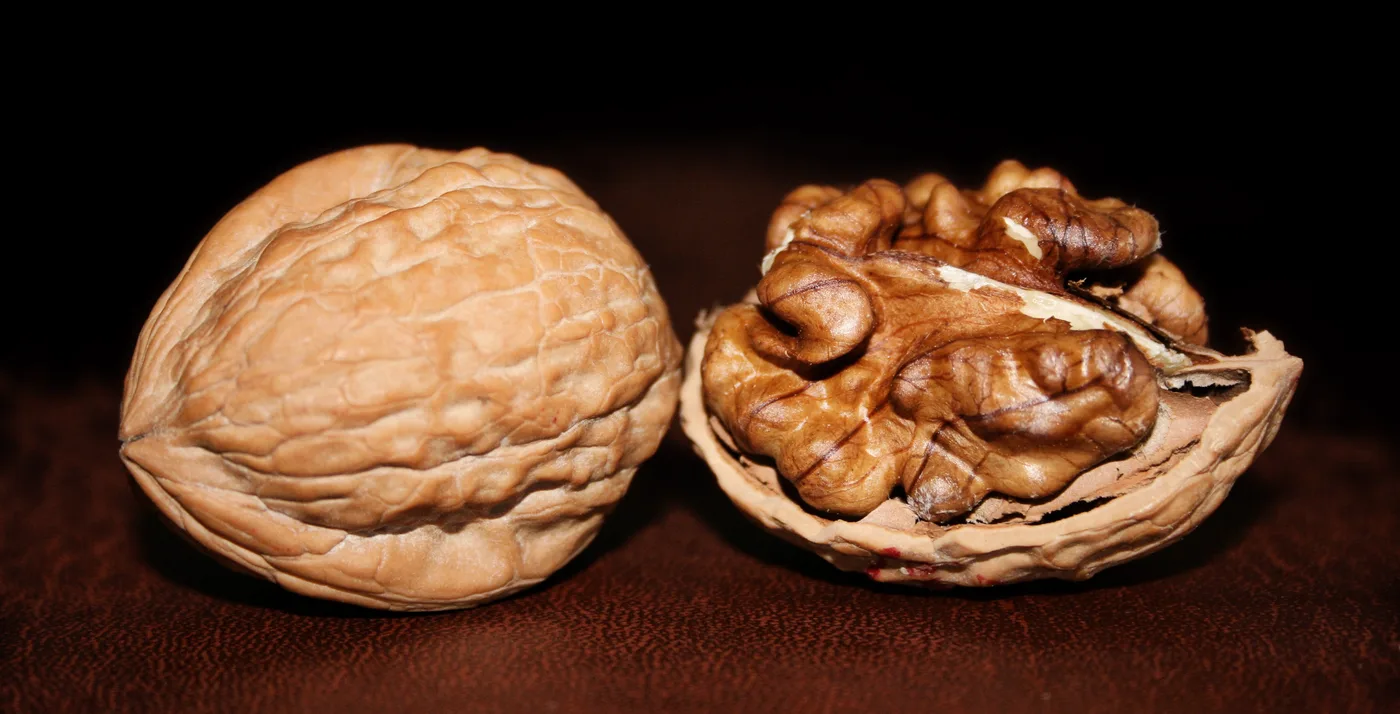
There are forty subspecies of walnuts spread throughout the temperate regions of Europe, Asia, and the Americas, all the way down to the Andes Mountains. A type of walnut is also found in Japan. There are also trees in tropical areas called “walnut” because of some similarity to the true walnut. For example, the so-called African walnut (or Nigerian golden walnut) is the Lovoa trichilioides; the East Indian walnut is the Albizia lebbeck; the New Guinea walnut is a species of Dracontomelon; the Otaheite walnut is the Aleurites moluccana; the Australian walnut is the Endiandra palmerstonii. The best-known member of the genus is the Persian Walnut or Common Walnut Juglans regia, native from the Balkans in southeastern Europe, southwestern and central Asia, and southwestern China. The Persian walnut is often but incorrectly known as English walnut in the United States (the species is not native to England). The world’s largest and oldest wild walnut forests are in Jalal-Abad province of Kyrgyzstan, at Arslanbob.
Special significance
Translation
The English word “nut” is a generic term used to refer to a strange variety of seeds, fruits, and roots (peanuts). There is unlikely to be such a generic word in many languages. So either a more general phrase like “garden of fruit trees” or a more specific name is more likely to be required. If a specific transliteration is desired, “walnut” perhaps has more in favor of it than “almond.” Translators living in areas where the true walnut grows are encouraged to use it. Translators living in areas where there are so-called “African walnuts” like the species (Lovoa trichilioides) in Nigeria, can use such equivalents as well, even though they are not botanically exact.
Since SNG 6:11 is a poetical passage, the translator may choose to “domesticate” the text by using an appropriate local equivalent or to “foreignize” the text by using a transliteration from a major language. Domestication will probably sound more poetic, and a footnote can give the botanical facts as far as we know them. On the other hand, a generic phrase like “garden of fruit trees” is not necessarily unpoetic.
I would favor something in this order of preference:
1. generic “garden of fruit trees”;
2. local equivalent of a particularly tasty fruit;
3. transliteration from “walnut” in a major language. Some models are Arabic djawz, Spanish nogal comun, French noix royal / noix comun, Portuguese noguera comun, and Chinese hu tao.